Oats health benefits
Posted on April 17, 2014 by john in Health Food
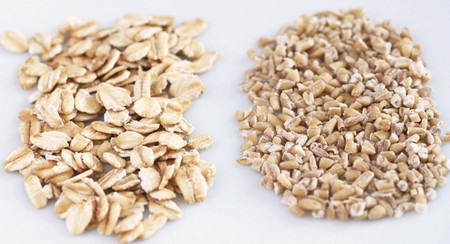
Oats began to be cultivated over 4000 years ago in Europe. It is an annual plant that is planted in fall and spring. Although their stems and leaves are thin and seem fragile, the plant is very resistant to heavy rains and low temperatures and the seed is invulnerable to most pests that attack other seeds.
Oatmeal goes through a process before it can be consumed. The shell is covered with oats that we consume is very hard and should be removed. Once the shell is removed the resulting product has groat name. This seed is exposed to heat to prevent spoilage and then cut into small pieces.
Then cut oats are flake shaped and steamed rolled oats to make, and if we want to get oat bran, milled groat instead of going through the above process ; also ground into oatmeal, although the grinding process is longer.
To what use oats
Oats was not a very popular food for a long time, actually considered a food of the lower classes. Today, the reality is quite different, oatmeal is perceived as an excellent health food.
Oats health benefits one of the properties of oats is calcium which helps strengthen bones and teeth. Oatmeal has a lot of vitamins and minerals.
Oats contain a high amount of fiber, which helps digestion and brings many more benefits.
One benefit is that oats contains practically no fat.
Oats also contain many proteins.
Vitamins, minerals and oat proteins
Oatmeal is an excellent source of B vitamins, vitamin A, vitamin E and vitamin D. It contains minerals like calcium, which prevents osteoporosis, iron, essential in transporting oxygen to the tissues of the body, and zinc, essential in the performance of insulin.
The oat grains have up to 25 % protein, no other serial has so concentrated amounts. For reference, the oatmeal has a protein concentration as high as meat, milk and eggs.
Oats contains everything you need for a nutritious diet.
Oats to lower bad cholesterol
Oat bran, which refers to the outer shell of the plant, has features that reduce LDL cholesterol levels, which by its English acronym for Low Density Protein, commonly known as bad cholesterol. High levels of this type of protein are linked to atherosclerosis, which can lead to heart attack or stroke.
According to studies, people who eat oatmeal every day reduces the chances of developing heart disease by up to 29%.
Oat fiber
According to studies conducted, only consume daily 3 g fiber containing oats, reduce the risk of developing cardiovascular disease by up to 40 %.
The oat fiber has also proven very useful for inclusion in diets in order to lose weight or lose weight. Oats contains both soluble and insoluble fiber. Insoluble fiber provides benefits to the digestive system and helps cleanse the intestines and prevent constipation. The effects of soluble fiber provide a feeling of fullness and satisfaction. The two types of fiber are associated with the control of blood glucose and cholesterol, but mainly soluble fiber.
They have also conducted studies concerning the vision benefit by eating oats ; thought that large amounts of fiber are effective against macular degeneration when oats consumed regularly.
Contraindications oat
Oat consumption does not present any risk to humans. A side effect of eating oatmeal may be the production of gas and bloating.
It is very important to ensure enough chew oats because of not doing so may cause blockages in the intestines. If you suffer from digestive disorders identified in the stomach, esophagus or intestines, it is best to avoid eating oats, subject to consultation with a doctor and believes otherwise, since there is the possibility that poor digestion make oats obstruct intestine.
Subscriptions article