The benefits of eating citrus
Posted on May 16, 2014 by john in Benefits of fruit
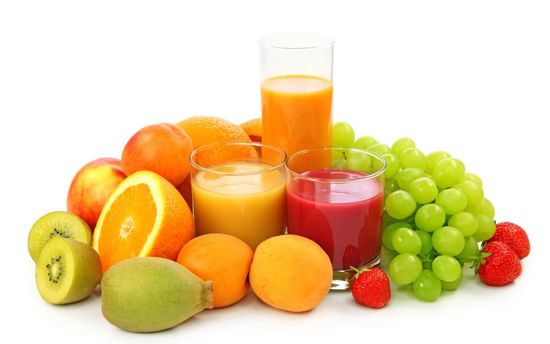 Oranges, tangerines, grapefruits and lemons are the most recognized and consumed citrus fruits. The winter season is the most suitable to use oranges and tangerines in different recipes : as flavorings in sauces, vinaigrettes, as a condiment and salad decoration or to give aroma and flavor oils or prepared pastry. The combination of delicious natural sweetness with balanced acid counterpoint when in full seasoning, ie, during the season, coupled with interesting nutritional and functional virtues (vitamin C, folate, fiber, bioflavonoids, potassium, magnesium, calcium ) requires to take at least one day citrus as a contribution to good health.
Citrus fruits are distinguished by their nutritional
Bioflavonoids, fiber, pectin, vitamin C and folate are natural compounds of citrus to awaken the interest of studied separately for their potential effects on the prevention and treatment of certain diseases. They are distinguished by their fruit nutritional properties, in particular, for its richness in vitamins like C and folic acid, fiber and minerals such as potassium, calcium and magnesium. In medical and scientific research, draws attention to the variety and amount of phytochemical compounds such as bioflavonoids, which add to its antioxidant action of ascorbic acid (vitamin C).
Edge research in citrus
A recent line of research focuses on evaluating the role of modified citrus pectin (MCP ), also known as fractionated pectin, a complex polysaccharide obtained from the peel and pulp of citrus. Modified citrus pectin is rich in galactoside residues. These residues are compounds in cell cultures ” in vitro ” (laboratory ) and in experimental animals, have had a positive response in the control of certain types of cancer. These residues are able to inhibit or block the aggregation of cancer cells, metastasis or controlling cancer spread to distant organs.
Although prospects are encouraging, there are many stages of study to develop, if necessary, to reach the solid scientific evidence of the role of Modified Citrus Pectin as part of a therapeutic nutrition.
Special citrus to be taken into account
In addition to countless nutritional and health benefits of citrus demonstrated, these fruits contain certain compounds that may discourage their consumption in certain circumstances.
Citrus fasting and digestive discomfort. The gallbladder is the reservoir for bile, a liquid secreted by the liver and necessary for digestion, in particular fat. Bile is emptying of the gallbladder to the intestine when they come to this part of the digestive system fat food substances. In different circumstances, such as the presence of gallstones in the gallbladder, inflammation of the organ or the formation of thick bile, the gallbladder can not empty at the right time or the intensity due. These disorders are called coledisquinesias ( ” lazy gallbladder ” ), may be more or less intense and manifest as abdominal bloating, pain in the right side and headache.
Certain foods have colagoga quality, ie stimulate more or less intense gallbladder emptying, which activates digestion. However, people with sensitive digestive system, the intake of these foods can be accompanied by an annoying intestinal purgative action. The orange juice and in particular, are two foods that, if taken on an empty stomach, can cause mild discomfort (nausea, abdominal bloating ). Although these complaints are not serious, explain the fear of those who have experienced to take orange juice fasting. However, in case of developing gallstones, citrus take on an empty stomach can trigger colic, so in these cases would be discouraged.
Citrus juices and dental health. Take citrus juice between meals or isolated, while others consume acidic foods, can favor the development of caries. The combination of sugar and acid substances in citrus juices favors greater dentine erosion, with consequent increased risk of caries. So if you have a habit of drinking juice, a good practice is to brush your teeth to clean the mouth, so that oral bacteria found no substrate to act. It is estimated that the chance of having problems caries triples when juices are taken, compared with the intake of other foods that are not acidic or sugary nature.
Grapefruit juice and drug interaction. Intake of certain fruit juices action interferes certain drugs and therefore in the therapeutic process. In the case of grapefruit juice, is studied to reduce the effectiveness if taken in conjunction with the following medications: fexofenadine ( antihistamine), etoposide ( anticancer ), atenolol, celiprolol and talinolol (beta blockers used in the prevention of heart attacks and treatment of hypertension ), cyclosporine (used to prevent rejection after organ transplantation ), and some antibiotics. It is also shown that grapefruit juice increases the action of antidepressants and statins beyond the desired effect, so their combined intake should be avoided if these treatments are followed.
Subscriptions article