Recommendations for a healthy and balanced diet at the World Day Against Obesity
Posted on March 24, 2014 by john in Daily health tips for kids
Today is World Day against obesity with a proposal by the European Medical Institute of Obesity ( IMEO ) initiative : ‘ Week of Support for Obese Women’. From Spain we are working for over 7 years in the NAOS Strategy ( Strategy for Nutrition, Physical Activity and Obesity Prevention ) from the Ministry of Health, launched by the Spanish Agency for Food Safety and Nutrition ( AESAN ). The main objective is to raise awareness of the problem that obesity poses to the health and promote all initiatives that contribute to citizens to adopt healthy lifestyles, primarily through healthy eating. From ainia propose 10 recommendations to follow to ensure that our children ‘s diet is healthy and balanced.
The new legislation authorizes schools and colleges the opportunity to implement services as an alternative to conventional lunchbox cafeteria has raised concerns among experts on child nutrition. This measure responds to the request by some associations of parents of students to cope with the economic crisis. However, experts believe that children remain complicated healthy and meals if they carry food from home to school. From ainia, we propose some useful tips to ensure that menus are balanced and nutritious.
Healthy lunchboxes at school
Mothers, fathers, or guardians, then offer 10 recommendations to follow to ensure that our children ‘s diet is healthy and balanced :
1 - menus include our children have all, as much as there is greater variety of foods in your diet, the greater the possibility that it is balanced and contains the nutrients they need.
The 2- menu of a school-age child should include protein-rich foods of animal origin: dairy, meat, eggs and fish, in balance with plant foods : grains, legumes, vegetables and fruits.
3 - forms of food preparation must be different : boiled, grilled, stewed, grilled and not fried abuse. Besides encouraging the consumption of raw foods (salads, gazpacho, soups cold vegetables… ).
4 - The rich in carbohydrates (bread, pasta, rice, vegetables ) foods are essential to good nutrition for their contribution of energy and should be part of the usual diet of schoolchildren.
5 - The food should be spread throughout the day to give your body the necessary nutrients at all times.
6 - Keep your child spend long periods fasting. It is recommended that 5 meals a day.
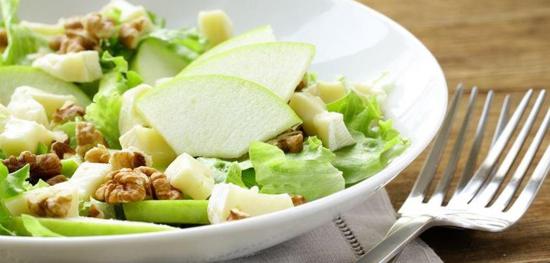
7- should elaborate fruit and salads.
8- Remind them that you have to drink water… and this is the best way to complement your meal.
9- The consumption of sweets, soft drinks and “snacks” should be moderate, because, although there are no good or bad foods, moderation in food should be the norm.
10, Control excess fat, sugar and salt.
How to distribute food throughout the day?
Breakfast : before going to school tomorrow and half
Do not skip breakfast, it comes to one of the most important shots of the day and should cover at least 25% of the nutritional needs of the school. The rush to get to school and drowsiness of the first moments of the morning, sometimes prevent making the first meal of the day properly, which can cause a reduction in attention and performance in the early hours.
Breakfast supports a varied supply of food, but to have the best nutritional qualities should include: a dairy ( milk or sugar or cocoa, yogurt, cheese of any type, avoiding high fat… ), bread, toast, snowflakes cereal, cookies, muffins, cakes, fruit or juice (any variety ), jams, honey, add grease (olive oil, butter, margarine… ) and sometimes ham or a type of stiff.
By mid-morning you can take, as a reinforcement of the food consumed in the first hour of the day, fruit, yogurt or a sandwich bread with cheese, ham or a type of stiff.
Quite often, children who eat breakfast hungry evil come to recess and then eat too much and not always convenient, and sometimes they take away your appetite at mealtime where you have to cover important nutritional needs.
food
In Spanish eating habits, the midday meal is the most consistent. At least, it should cover 35 to 40 % of the daily nutritional needs of the individual. The meal plan should be a presence of protein foods of animal origin: dairy, meat, eggs and fish, in balance with plant foods : grains, legumes, vegetables and fruits.
the snack
The snack is usually well accepted by children and can supplement the diet, because to include products of great nutritional interest : milk, fresh fruit, various sandwiches… The snack should not be excessive, so that children maintain appetite the dinner. The so-called ” high tea ” is a nutritional acceptable option when included sufficient and varied food and occasionally practiced. Consumption, for example, a sandwich and cheese omelet with a fruit and before going to bed, a glass of milk, may be a possible alternative to snack and dinner.
Dinner
Dinner is chosen according to food and other meals taken in a day. It should not be consumed at a very late hour to avoid proximity to the time of the dream prevents children sleep well. As own purees dinner plates, soup or salads are suggested, and, in addition, meat, eggs and fish depending on what has been taken in the midday meal. For dessert : fruit and milk.
Subscriptions article