Plant fiber and its importance in the diet
Posted on May 28, 2014 by john in Health Food, Weight loss and diet plans
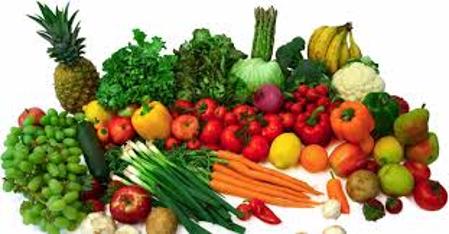
The fiber is found in the cell walls of plant origin
It comprises cellulose, hemicellulose and other complex sugars ( carbohydrates ). Vegetable fibers pass through the digestive tract without being modified because our body lacks enzymes to metabolize power. Thus they achieve sweep all debris formed, which are eliminated through the feces.
Lentils, Pulses formed by plant fiber
Fiber not being assimilated by the body, remains in the intestine, stimulating peristalsis, increasing stool bulk, thus the daily discharge is noticeably benefited.
Both lack and excess consumption of vegetable fibers can be detrimental to maintaining good health.
A perfect balance
As a consequence of constipation appears deficit, increases the chance of developing hemorrhoids and / or intestinal diverticula.
Moreover, the excess fibers reduces the absorption of calcium, zinc and iron through the intestine. When consumed excessively in a short period of time can generate gases, flatulence, abdominal bloating and cramping. These symptoms are reduced to nothing when the natural bacteria in our digestive tract adapt to increased fiber in the diet.
The fiber should be part of our daily diet, as benefits the proper functioning of the intestines. If the daily vegetable fiber intake is low or zero, the recommendation is to incorporate progressively increasing daily consumption, up to 25-40 grams daily.
As mentioned above, the fiber can not be digested and metabolized accordingly. This does not mean that it is not usable, but quite the opposite, since its effects are various and beneficial since it is consumed to be eliminated.
A level of the mouth, stimulates salivation fiber, requiring greater mastication.
In the stomach captures a high amount of water, which slows gastric emptying and thus creates a greater sense of satiety. That’s why in most diets fiber is recommended.
In the intestine, promotes bowel movements, increases stool bulk and promotes propelling them outwards.
Types of vegetable fibers
There are two major groups of fiber: soluble and insoluble.
Both soluble and insoluble trigger satiety that once ingested, for its large collection of fluids. Both prevent constipation and colorectal cancer.
Soluble fibers slow down the absorption of glucose and cholesterol, which is beneficial for diabetics and those with high levels of blood fat.
Bread with fibers
Natural sources of soluble fiber are:
Oat bran, nuts (walnuts ), barley, seeds, legumes (lentils ), and apple peel potatoes and other fruits and vegetables.
The sources of insoluble fiber are :
Whole grains, wheat bran and whole grains.
Other good reasons to eat foods with fiber
In addition to the foregoing, other reasons to incorporate fiber in our daily diet are:
Their excellent help to treat obesity and other weight problems,
Its effectiveness against the formation of gallstones,
The improvement in the treatment of diverticulosis,
Prevention at the onset of colorectal cancer
Their efforts to prevent and control type 2 diabetes,
Its effectiveness against the symptoms of irritable bowel syndrome,
Preventive action against hypertension and other cardiovascular diseases ( arteriosclerosis, stroke, etc. )
And finally what we have already said, its powerful effect to good digestion and intestinal transit.
For proper selection of fiber-rich foods, we provide a table of contents grams of fiber per 100 grams of food.
Fiber content in 100 grams of food
Wheat bran 44.0
almonds 14.3
Coco 13.6
Brown Bread 8.5
Radishes, peanuts 8.1
Beans, beans 7.4
Spinach and Hazelnuts 6.3
Brown rice 5.5
5.1 Peas
lentils 3.7
Pear, banana 3.3
carrot 3.0
Brussels Sprouts 2.9
White bread 2.7
Beetroot Beets 2.5
Plums, apples and oranges 2.0
Cauliflower, cabbage and celery 1.7
As cover the daily requirement of plant fibers
To meet the daily recommendation of about 30 gr. fiber should eat a day :
2 fruits,
150 gr. vegetable,
50-60 gr. of bread or 2 tablespoons wheat bran +
50 gr. vegetable
The changes in our diet should be gradually avoiding the ingestion of high amounts of fiber. If our body is not accustomed, we can start by increasing the servings of fruits and vegetables, up to 5 a day, replace the bread, flour and rice, for its integral version, ie white bread and rice in their full variety.
Take legumes and whole grains 2-3 times a week, and get used to incorporate wheat bran in our preparations, with 2 tbsp / day will be enough, with all of the above.
As we consume more fiber, we increase the amount of water intake, since fiber consumes large amounts of water from our body.
Therefore, take 1.5 to 2 liters of water a day, enough to avoid dehydration and possible intestinal blockage.
Finally, we must consider that there are no magic solutions, with respect to the fibers and constipation. It’s not a matter of adding a comprehensive product without changing our bad eating habits. Our advice is to make gradual changes in the total of all the food we eat every day, as well as realize the fact drink two liters of water daily.
Subscriptions article