Pilates training during post-pregnancy and childbirth
Posted on August 23, 2013 by john in Fitness tips, Pregnancy
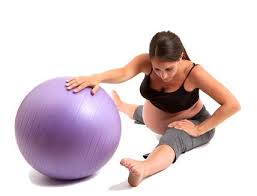 Pilates for a woman to be pregnant, it is always a unique experience. But despite the happiness that can mean waiting a child during pregnancy occur in the body of the woman a series of hormone level changes, emotional and postural, which may lead to a number of different complaints, which are not be the same in every woman, and every pregnancy.
In the early stages these changes may result from dizziness, nausea or vomiting to fainting, and is likely to feel very emotional mother. As the pregnancy progresses, they may also appear other discomforts such as heartburn, difficulty breathing, pain in the back and pelvis, cramping, or swelling of the ankles, among others. Many of these problems can be alleviated significantly with proper regular training.
Many women believe that physical activity these stages can be damaging or harming the baby, but the reality is that exercising during pregnancy not only not harmful, but it is essential.
It is proven that moderate exercise improves the overall condition of the pregnant both physically and emotionally, because it increases energy level, gives more strength to the muscles and increases the ability to cope with labor.
But it is advisable to make a low impact workout, because you have to keep in mind that heart rate in pregnant women showed a significant increase during exercise compared with nonpregnant women. Furthermore, as exercise intensity increases, the pregnant woman is also more difficult to carry out the respiratory exchange.
It is important then to look for the safest and most effective way to train and have prior medical approval, taking into account the physical condition of the mother before pregnancy.
To do the pilates method has developed a program of exercises and specific care in order to improve the general state of the pregnant woman with a workout that can be practiced in complete safety, whether the mother before pregnancy accustomed to physical activity very intense, as null.
One of the main objectives of the specific training with the pilates method, is to help pregnant women overcome the various discomforts that are caused by postural imbalances, caused by hormonal changes and constant weight gain, and generally increase with the development of pregnancy.
This takes a very specific muscle strengthening and relaxation as the mother needs at every stage of pregnancy. Great emphasis is placed on the work of the muscles of the pelvic floor, which improves posture problems and prevents future urinary incontinence or prolapse. It also performs a very specific care abdominal muscles during pregnancy, as well as for proper recovery after childbirth.
But pilates training during pregnancy, goes far beyond physical activity. The monitor must be qualified to provide important information for pregnant women about the changes that it goes through every month, either in relation to the development of your baby, such as those that occur in their own body. You also need to know to provide the mother with the many different tips inconvenience this may suffer, not only for the training itself, but also outside the pilates class.
You should prepare for each stage of pregnancy, childbirth and postpartum, as specific training starts from the beginning of pregnancy and ends, depending on the woman, and between 4 and 6 months after birth, also encouraging her to continue after this time with a regular workout.
Following constant evaluations and ongoing dialogue, you can get the trust of the pregnant to continue with the program, and allows the monitor to provide effective training as safe as, and must be very alert to any indication of risk to recommend immediately consult the doctor or , if necessary, interrupt training.
After more than six years of implementing this program with many women in the developmental stage, we proved that every woman who trains with pilates regularly, pregnancy carries a much more comfortable and also the work of childbirth and recovery afterwards.
Incoming search terms:
Posts related to Pilates training during post-pregnancy and childbirth






Secure with early repayment of hospital charges

Subscriptions article