Monascus purpureus red rice
Posted on October 2, 2013 by john in Health Food
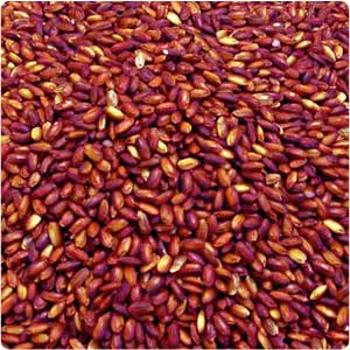 The red yeast rice is made by fermenting rice shared kitchen (Oryza sativa) , the work of a particular yeast called Monascus purpureus yeast or red. This red rice rice , which owes its name to the characteristic color , is a component of traditional Chinese herbal medicine , it is also very well known in the West for the valuable virtues lipid-lowering agents .
A great help against cholesterol
The enormous scientific and economic interest which surrounds the red rice is linked to the presence of Monascus purpureus ; during its activity fermentatrice , this yeast is enriched in fact a group of substances , called monacolins , which has been scientifically attributed a marked cholesterol-lowering activity . Among these , red rice and biosynthesis colesterolospicca the monacolin K, which reflects the chemical structure and pharmacological action of lovastatin ( a drug belonging to the class of statins) . Similarly to these pharmaceuticals, monacolin K of red rice is able to inhibit the HMG -CoA reductase, which is a key enzyme in cholesterol biosynthesis . Since its plasma concentration depends primarily on this biosynthetic pathway (and only to a lesser extent from the diet ) :
integration with red yeast rice has been effective to normalize the levels of total cholesterol , LDL cholesterol and triglycerides .
In this sense , red yeast rice is more effective than the administration of equivalent doses of lovastatin , demonstrating that its properties reflect a set of actions not attributable solely to the monacolin K. Even so, in addition to the well-documented lipid-lowering activity , red yeast rice appears to reduce cardiovascular risk through action antiaterosclerotiche other ( anti-inflammatory effect , vasodilating and reductive levels of lipoprotein A). The controlled fermentation in laboratory , moreover, can vary slightly the composition of Monascus purpureus and permit the selection of strains rich in Monacolin K or other substances with specific pharmacological actions .
Unlike the synthesis of statins ( considered a real drug ) , the use of extracts from fermented red rice is also allowed in the production of food supplements , provided it remains within certain limits set by the Ministry (to ensure adequate security d ‘ use ) . All this has helped to fuel the already thriving business of red rice , often advertised in an excessive and poorly professional . On the other hand , the average buyer is attracted by the opportunity to improve their ” lipid ” resorting to a natural, non- processed and summarized for this considered to be devoid of side effects. Although the scientific premises to satisfy this desire are all there, it is very important that the use of red yeast rice is done under the supervision of a doctor.
Side effects and contraindications
When taken in high doses and for long periods, red yeast rice could trace the side effects of statins ( liver changes, muscle toxicity ) and their interactions with specific drugs (especially fibrat and some antibiotics - antivirals) . In this regard, however , there are no reliable data , so that the clinical trials conducted to date , have found no significant side effects , the most well known and documented regarding the possible occurrence of mild gastrointestinal symptoms ( pain and heartburn , gastroesophageal reflux , flatulence ) and headache.
The use of red yeast rice is contraindicated in pregnancy, lactation and in children ; exercised in the administration to alcoholics and patients with hepatic impairment , to avoid the simultaneous association with lipid-lowering agents , particularly those containing gemfibrozil and other fibrates.
Since HMG -CoA reductase , including the fermented red rice , lower the synthesis of ubiquinone ( a powerful antioxidant known as coenzyme Q10 ) , in case of prolonged use is appropriate supplementation of this element , which becomes even more important if you consider its positive action on the health of the cardiovascular system.
Incoming search terms:
Posts related to Monascus purpureus red rice



Secure with early repayment of hospital charges

Subscriptions article