
Early signs of pregnancy, would you know you recognize them?
Posted on June 14, 2014 by john in Pregnancy

 The woman’s body reacts to very early changes associated with pregnancy.
Some are very sensitive and are beginning from the first weeks to experience the effects that hormones cause both physical and emotional state. But other women take a little longer, but these early signs of pregnancy are noticeable, sooner or later, in all.
It is these symptoms that many women carry a pregnancy test done, although it should be noted that these signals alone are not indicative of pregnancy, since it must be confirmed by a pregnancy test.
Could you identify what those early symptoms of pregnancy?
The delayed menstruation is the first objective sign of pregnancy. However, many women with irregular periods and even periods of amenorrhea (absence of spontaneous menses), so in reality, this sign is unreliable.
Some women even intuit are sure to be pregnant.
The breasts are sore. Increases in volume and are more sensitive. Chances are you’ll soon change your bra size.
You feel sick to the stomach wake.
During the day you have nausea and even vomiting.
You feel (more) tired.
Have a different vaginal fluid.
You can get out some acne.
You suffer heartburn and can not stand many foods.
Not tolerate certain smells.
Your appetite varies : either do not feel like eating, or can not control your hunger.
Mood swings experience (positive or negative) based on the hormonal action.
You are irritable or you become hypersensitive.
You see, a whole carousel of changes you can make these early pregnancy are a little difficult. Although the reward, seeing your baby in your arms after nine months, deserve no doubt it.
How to eat during pregnancy
Posted on April 17, 2014 by john in Pregnancy

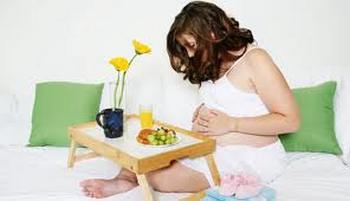
Pregnancy is an important stage in life. They are a few months in which women should take care of specially. Therefore, the health of the mother and the baby depend heavily on food to take during pregnancy.
Pregnancy does not mean that the mother should eat more but should do more often. If you usually eat four times a day, I could deliver the same amount of food in 8 or 9 meals. For example take a yogurt or a piece of fruit between breakfast and lunch.
To ensure good food will be good to include in your diet foods that contain all the basic nutrients. Fruits, vegetables, cereals, meat, fish and eggs should not miss in the shopping cart. Many pregnant women feel increased appetite and therefore, we must be clear about what foods you should take.
How should a pregnant woman eat ?
Throughout the day a pregnant woman should eat at least one food from each of these groups :
Group A:
meat
fish
egg
vegetables
Once a day should choose any of these foods : meat, fish, egg or vegetables. Foods are essential for the growth of the body because they are rich in proteins.
Meat, eggs, and fish are the most complete foods also should be taken with food mixed group D, which are potatoes, rice, bread, pasta and vegetables.
Group B :
fruits
vegetables
Also once a day the pregnant woman should take fruits and vegetables. They are rich in vitamins and minerals, promote development and prevent constipation, precisely one of the problems experienced by many pregnant women. Spinach and other greens are especially recommended.
Group C :
milk
yoghurt
cheese
The dairy products are rich in calcium and essential to build bones and teeth of the baby. Besides its use is essential to avoid lack of calcium in the mother. Every day, pregnant women should take any of these products, milk, yogurt or cheese.
Group D :
bread
potatoes
rice
pasta
Bread, potatoes, rice, and pasta are energy foods. For the pregnant woman’s bread is more advisable than white.
A balanced diet for a pregnant woman should include three servings of dairy a day: preferably skim milk, yogurt or cheese. You should also take several times to eggs, meat and fish week. These last two best cooked on the grill or in the oven to avoid weight gain. In the table should not miss the salad, cooked vegetables and fruit. Legumes should take two or three times a week, like potatoes, rice and pasta.
In addition to milk, it is very important that pregnant women drink plenty of water, a liter and a half to two liters per day. It is also highly recommended natural fruit juice, unless you suggest otherwise in reviews. The liquid facilitates blood circulation and removing waste matter.
It is very important to know though is forming a baby, the mother should not eat for two. During pregnancy, the nutritional requirements increase slightly but mothers should be very clear that what is important in food quality, not quantity. And they should be aware that it is appropriate to fatten between 9 and 12 kilos throughout pregnancy as excessive weight gain can be harmful to both mother and fetus.
Products to Avoid During Pregnancy
Moms can not eat sausage, including prosciutto and should reduce the consumption of fat products like butter and bacon. Also avoid industrial pastry, pastries, candies and chocolate. It is also good to control the excessive consumption of coffee and tea, and colas.
Pregnant women should also avoid using too much salt in foods, and the consumption of salty foods like olives, sausage, anchovies and salted.
Alcohol and snuff are the two most harmful products for pregnancy should avoid them.
Healthy habits in pregnancy
It is advisable to have a routine of food, and prevent irregularities and disturbances in eating times. The reason is simple, the fetus grows progressively and continuously requires different elements of nutrition.
Pregnancy causes a displacement of the stomach and intestines that can cause some discomfort in digestion, especially from the second half of pregnancy. To relieve the pregnant woman should :
Avoid heavy meals
Eat less, more times a day
Chewing food thoroughly
Avoid carbonated drinks
After lunch seeks rest with a comfortable position : seated with feet up
Leisure activities are very desirable and can be made until the end of pregnancy. It is also recommended moderate exercise like walking, swimming or exercises taught in maternal education. Pregnant women should take every opportunity to move and breathe fresh air. Pregnancy is a very important stage of your diet depends largely, your health and your child.
Seven rules for eating well during pregnancy
Posted on April 17, 2014 by john in Pregnancy
 Adapt your feed to this stage
Most pregnant women need to take increasing protein, certain vitamins such as folic acid and minerals like iron, and eat some extra calories for more energy. If you think you’re not eating well, now is the time to make sure your food is more nutritious and balanced.
It is highly recommended that limits junk food, because it has many calories but few vitamins and minerals your baby needs. However, eating better does not mean eating more or much more. The belief that during pregnancy you have to eat for two, has long been discarded.
If you have a healthy weight at the beginning of your pregnancy, you will not need extra calories during the first quarter. During the second trimester, your baby needs only you add 300 calories per day ( and 300 calories are not large amounts of food, for example, a juice, an omelet and some rice and round ) and about 450 extra calories per day during the third quarter.
If you are overweight or not, you lose weight, do not base the number of calories above. That depends on the goal you have to control your weight. Talk to your doctor about it.
Here are some ideas to better feed you during pregnancy.
Avoid the ceviche, soft cheeses and other foods
There are certain bacteria that grow easily in foods that are not cooked. These bacteria can cause you a disease called listeriosis, which is dangerous for the baby. For example, the ceviche and raw shellfish (including oysters and sushi not cooked ), milk that is not pasteurized or soft cheeses such as queso fresco, panela, leaf and steakhouse, along with others such as brie or camembert, these may contain bacteria that can affect your baby.
We must also be careful with the sausages, as well as sausages, hot dogs ( hot dogs ), serrano ham and raw or undercooked meat. On the other hand, when you prepare vegetables is highly recommended that you wash them well because they may have bacteria that cause listeriosis, salmonella and other infections.
There are some fish that contain mercury, a metal that must be some caution in the belief that can affect fetal development. The Food and Drug recommends limiting consumption of tuna and other fish about 12 ounces ( 300 grams) per week is equivalent to about two servings. ( You’ll find answers to all your questions about what foods are recommended during pregnancy little here).
Drinking alcohol, even just a glass of wine with food is also not recommended. Alcohol has serious implications for the health of the baby ( physical defects, learning disabilities and emotional problems ) consequences. That’s why many doctors recommend abstaining from alcohol during pregnancy.
There are some very healthy Latin drinks, such as fresh water (no sugar or low sugar), which can be used as alternatives for drinks with alcohol.
Caffeine is also something that one should be cautious. If you really like coffee, try to take just a couple of cups a day, and make sure it is not loaded, or it is decaffeinated. Some studies suggest that women who consume more than 200 milligrams ( 0.2 grams ) of caffeine a day (equivalent to 0.35 liters) are more likely to have an abortion for a woman who does not consume caffeine.
Some cases in which the baby is born underweight or even stillborn, have been linked to large amounts of caffeine taking mom.
But remember that caffeine is not just in coffee. It is also in tea, sodas, chocolate and some Latin drinks such as mate or guarana. Many of these drinks can buy without caffeine. Better yet, you can replace these products with healthy foods such as skim milk, fruit juice or water with a squeeze of lemon.
Start taking your prenatal vitamins
In an ideal world, in which there were no nausea or rejecting certain foods, a balanced diet would be everything a mom would need to eat well. However, to ensure that both you and your baby are getting all the nutrients they need, in addition to a balanced diet tablets should take prenatal vitamins and minerals.
Make sure you are taking vitamins containing folic acid. Need 400 mcg of folic acid every day before pregnancy and once you discover you’re pregnant, you increase your daily intake of folic acid at least 600 mcg. Lack of folic acid has been linked to neural tube defects such as spina bifida.
Some researchers also suggest that there is one important nutrient that can help prevent neural tube defects. This is the hill a little known but nutrient considered essential for the human organism. You need to take 450 mcg daily hill. The vast majority of prenatal vitamins do not contain this nutrient so you’ll have to get through food.
Choline is present in eggs, peanuts, wheat germ, beets ( beets ), soybeans, chickpeas, lentils and rice, among others.
Later, the doctor may suggest you take iron or calcium to make sure you have enough of these key minerals. Other experts also recommend that you take vitamin D during pregnancy.
If you are vegan ( no shots or eggs or milk) or have diabetes, gestational diabetes, or anemia, or if you had a previous history of low-birth weight, you should talk to your doctor about your diet and extra vitamins you may need.
Keep in mind that most vitamins is not always better : avoid megadoses of all kinds of vitamins and minerals as they may harm the baby. Nor take herb based supplements without talking to your doctor.
Do not do diets during pregnancy
Ask dieting during pregnancy is not recommended for the development of the baby and for your health. Many weight loss diets do not have enough iron, folic acid and other important vitamins and minerals. Remember that weight gain is one of the best indicative of a healthy pregnancy.
Women who eat well and raise adequate amount of weight have fewer complications. So if you’re eating fresh fruits and vegetables, lean proteins, whole grains, and you’re gaining weight, you can rest easy because everything is going well.
Read why it can be dangerous to become obsessed with weight during pregnancy.
Weight increases gradually
In general you should try to gain 25 to 35 pounds ( 11 and 16 kg ) if you started with the recommended pregnancy weight. If you were under your weight normal to get pregnant, you can increase a little more, between 28 and 40 pounds ( 13 and 18 kg ).
And if you were overweight in early pregnancy, you should try to put a few persons pounds less, between 15 and 25 pounds ( 7 to 11 kg ). If padecías obesity before pregnancy, you should not upload more than 15 pounds ( 7 kg ).
The way you gain weight is as important, or even more, as you increase the total amount. It is very likely that what we gain weight during the first quarter is the least that can be accessed anywhere throughout your pregnancy, about 1 to 5 pounds total ( 0.9 to 2 kg ). Then, in the second and third trimester, you will increase about one pound per week (or half kilo ).
If you measure less than 5 ‘2 ” (1.60 m), you’re a teenager, or expect more than one baby, you should talk to your doctor about the weight you should increase because it will be different from the amounts indicated above. Also if you ‘re overweight or below your normal at the beginning of your pregnancy weight. for example, if you are overweight, your goal might be to increase only half a pound (0.45 kg) per week during the second and third quarter instead of one pound. And if you expect twins, you should increase the weight is more than moms who are expecting a baby.
Read more about pregnancy and overweight : coping with weight gain in recent months.
Come light frequently and
If nausea, feeling perhaps rejection by certain foods, heartburn or indigestion you are taking away the desire to eat, try to eat five to six light meals instead of three large ones. It will be easier for your body to digest. Do not skip meals, even if you’re not hungry, because the baby needs to receive food regularly.
Is it okay to eat healthy or low calorie snacks, which provide no more than 150 calories per serving. The most suitable are natural foods like fruits, vegetables and dairy products such as yogurt. Remember, it is highly recommended that limits junk food, because it has many calories but few vitamins and minerals your baby needs.
Eat something sweet from time to time
Processed foods and desserts with lots of sugar should not be part of your diet. However, this is not to say goodbye to all the candy for being pregnant, all you can eat on special occasions. Do not torment a cookie or a piece of chocolate cake once in a while will not hurt your baby.
Food and drink you should avoid during pregnancy
Posted on April 17, 2014 by john in Pregnancy
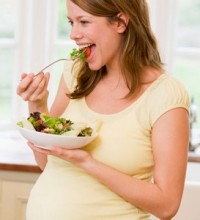
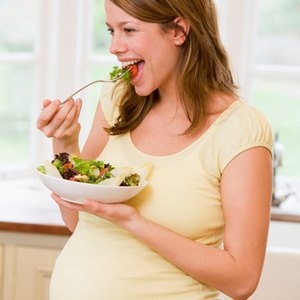
What you can not eat :
Fish or raw or undercooked shellfish ( oysters and clams).
Fish high in mercury, including shark, swordfish, king mackerel (king mackerel ) and tilefish ( tilefish ).
Fish canned, smoked, or have not been pasteurized or refrigerated unless they are reheated until steaming.
6 ounces ( 1 serving) of canned light tuna or albacore tuna.
Tips:
Cook fish until it reaches a temperature of 145 degrees Fahrenheit (F ) or 63 degrees Celsius ( C ) or until it looks opaque inside.
Consume weekly up to 12 ounces ( two servings ) of fish low in mercury, such as salmon, shrimp, pollock and trout.
Meat and poultry
What you can not eat :
Meat or raw or undercooked poultry.
Sausages of any type ( ham, turkey, roast beef, sausage, bologna, ham, pâté, etc.. ) Unless they are heated until steaming them ( 165 degrees F or 74 degrees C).
Dry sausage or smoked sausage, such as salami and chorizo , unless they are heated until steaming them.
Tips:
Use a thermometer to cook. Cook beef, veal or lamb until it reaches 145 degrees F (63 degrees C). Cook pork and all ground meats until they reach 160 degrees F (71 degrees C ), and cook until birds reach 165 degrees F ( 74 degrees C).
eggs
What you can not eat :
Average raw or undercooked eggs.
Raw dough ( cake or cookies ) containing eggs.
Homemade sauces or desserts containing raw eggs ( merengue, mayonnaise, eggnog, ice cream, hollandaise sauce, chocolate mousse and Caesar dressing type ).
Tips:
Cook eggs until the yolk is firm. And all other kitchen dishes containing eggs until they reach 160 degrees F (71 degrees C).
In recipes that are made with raw eggs, substitute them by a product made with pasteurized eggs.
cheese
What you must not eat :
Unpasteurized soft cheeses (such as feta, Brie, Camembert, blue cheese, cheese, cheese and panela).
Tips:
When buying soft cheeses verified on the label are made with pasteurized milk.
other meals
What you must not eat :
Salads and prepared (especially if they contain eggs, chicken, ham, shrimp or fish).
Food buffet or picnic outside and that has been unrefrigerated for more than two hours (or more than one hour on a hot day ).
Fillers (such as those used in the preparation of roast turkey or chicken) have been cooked inside the bird, unless you have reached a firing temperature of 165 degrees F ( 74 degrees C).
Alfalfa sprouts and other seeds, or unwashed vegetables, particularly lettuce and cabbage.
Tips:
Heat remaining until they smoke ( 165 degrees F or 74 degrees C).
Keep cold foods in a buffet on ice. Hot foods should be almost boiling ( steaming ).
Peel the fruits and vegetables, or wash them well.
beverages
What you should not drink:
Drinks with alcohol.
Unpasteurized (raw).
Unpasteurized juices or sold as ” freshly squeezed “.
More than 12 ounces ( 1 1/ 2 cup) of coffee a day.
Tips:
Limit your caffeine intake to no more than 200 milligrams a day.
Do not forget that many teas, sodas, chocolates, ice cream and energy drinks also contain caffeine.
Before squeezing fruits to make juices, you wash them well.
Fruits and vegetables in your diet during pregnancy
Posted on April 17, 2014 by john in Pregnancy
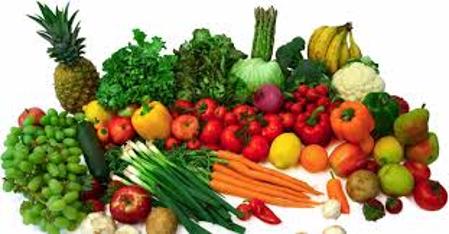 Fruits and vegetables in your diet during pregnancy
How do you know what are the best foods for your pregnancy? Is it important to eat fish, or be dangerous because it contains mercury? Need to eat meat, or has too much fat ? And the eggs, will they have too much cholesterol ?
Best fruits during pregnancy
With so much conflicting information is easy to give up eating healthy and finish putting the spoon in a big pot of chocolate ice cream. But read on and you will see that there are many ways to be sure that you include in your diet all the nutrients you and your baby need.
Our nutrition experts have chosen some super powerful foods that will help you have a healthy pregnancy. Include in your meals the ones you like to strengthen your power.
eggs
In addition to containing over 12 vitamins and minerals, eggs are high in protein, which is essential for your pregnancy. The cells of the body of your baby, now grow and multiply at an astounding rate, are made of protein. In addition, your own body needs protein for growth and repair of organs also develop in your body, such as the placenta, uterus and breasts.
Eggs are also rich in choline, an essential for the growth of your baby and the health of your brain nutrient, and that in turn helps prevent neural tube defects. Also, you can buy eggs that contain omega -3 fatty acids, which are important for brain development and vision of your baby. ( The brands that contain omega -3 bring it printed on the box. )
But does not contain too much cholesterol eggs? The truth is that we have been wronged eggs. In fact, consumption of saturated fats (such as those containing butter, red meat cuts with high fat, palm oil, cocoa cream and various processed foods ) is much more harmful than cholesterol in eggs naturally.
If you are a healthy woman with a cholesterol level in normal blood, without fear you can include one or two eggs in your daily diet, nutrition experts say.
In addition to healthy, eggs are cheap, easy and quick to prepare, and very versatile. When you lack the time or energy to cook, a couple of boiled eggs or omelette rich (which can add some vegetables ) are always an excellent choice.
Just make sure you cook them well and avoid foods and desserts containing raw eggs, which may contain bacteria that can cause infections and even cause premature labor.
Read more about the importance of consuming protein during pregnancy
salmon
Salmon is not only a rich source of high quality protein, but is also an excellent source of omega -3 fatty acids. Compared with other fish, has the advantage of containing low amounts of methylmercury, a chemical present in high concentration in many large fish (swordfish, Atlantic mackerel, tilefish, shark ) and is dangerous to the developing nervous system of a baby.
Just remember that although salmon contains small amounts of mercury, such as tuna (bonito ) and canned white pollock, the Food and Drug Administration (FDA, for its acronym in English ) recommended that pregnant women consume a up to 12 ounces of these fish per week to avoid getting too much mercury (3 ounces equals one serving size of a deck or deck of cards ).
Read more about what is safe to eat fish during pregnancy
Beans (beans, beans)
Black, navy, pinto, lentils, chickpeas…many delicious choices of these vegetables have fiber and full of protein!
You know how important protein for a healthy pregnancy, and now introduce you to your new ally during the nine months of waiting : the fiber. During pregnancy, the intestines become a little lazy, increasing the chance of you to suffer constipation and hemorrhoids. Consuming fiber will help prevent and reduce these problems.
Beans, besides having a high level of fiber, are high in iron and folate ( folate vitamin B9 is found in food, and folic acid is the artificial form of folate that is taken in vitamins, pills etc. ), calcium and zinc.
And what is the best way to cook ? Remójalos for at least a couple of hours to hydrate and cook in less time. And, if you let it soak in overnight, better throw water again and rinse before cooking.
A time to enjoy them, serve with foods rich in vitamin C (a glass of orange juice, for example) so that your body better absorb iron containing. As for gas, some say it can be avoided if prepared like mashed.
No matter how you like your beans, always prepare them in double quantity and freeze half. All types of beans store well its taste, texture and properties when frozen, and it is always handy to have some portions in the freezer.
Read more about how to relieve gas and bloating during pregnancy
Sweet potato ( sweet potato, sweet potato )
The orange color comes from sweet potatoes contain carotenoids, which our body converts into vitamin A. Other orange and red vegetables, like carrots, chilies and peppers ( hot peppers ), are also rich in carotenoids. Our body converts carotenoids from vegetables in the vitamin as we need it, or that there is no risk of ingesting excessive amounts of vitamin A.
Sweet potatoes are also a good source of vitamin C, folate and fiber. And, like beans, are very economical and versatile ( and also very rich and appetizers or snacks ). Cook steamed or baked, and give a touch of flavor with a little mojo, garlic, olive oil and fresh herbs. Use them in soups and stews with regular potatoes or in lieu thereof.
Be inspired by this delicious recipe for lamb with sweet potatoes and apples
oats
Oatmeal is a whole grain rich in fiber. It is an excellent source of energy and is also rich in vitamin B1, magnesium, protein and phosphorus, among other nutrients.
Try it as a breakfast cereal, milk and fruit, or use it in the preparation of crushed biscuits, pastries and scones type ” muffins “. Oatmeal is the main ingredient in granola ( toasted oats with dried fruit), which blends well with the natural yogurt.
Eat whole grains during pregnancy is important because they contain lots of fiber and nutrients, including vitamin E, which protect the cells in our body.
In addition to oats, you can include in your diet brown rice, breads and tortillas made with whole grain, quinoa (which contains a lot of protein ) and even popcorn (yes, they are also a whole grain ; ! But consume them without butter or oil, and try not agregarles too much salt ).
These oatmeal cookies and orange ‘ll love and are very easy to make
nuts
If you do not like eggs or fish, but want to make sure of consuming omega- 3 important for brain development of your little one, try walnuts fatty acids. They are one of the best plant sources of omega -3, and they will always come in handy to have on hand this practice and energy snacks ( also blends well with both savory dishes and desserts ).
Store in the freezer so they do not rancid, and enjoy them alone, with raisins or fruit on salads, pasta and vegetables, or mixed with yogurt.
Here are 11 great ideas of simple and nutritious snacks
Natural yogurt
Natural yogurt gives you the benefits of milk more easily digestible form and with the additional advantage of containing active cultures (or probiotics) that help with digestion and can strengthen your natural defenses.
It is an excellent source of calcium, which is vital in your diet expectant mom. If you do not consume enough calcium during pregnancy, your body will remove it from your bones and teeth so you do not miss this mineral to your baby.
Best fruits during pregnancy, Plain yogurt is healthier than those with fruit flavor, which also contain more sugar preservatives, artificial flavors and colors. But if you prefer sweet, try adding chopped fresh fruit or sweeten with a little honey.
Discover 5 healthy substitutes for junk food cravings
Cabbage, and other green leafy vegetables
Cabbage, kale or traditional, it is loaded with vitamins and nutrients, including vitamins A, C and K as well as folic acid important. It is also rich in carotenoids, essential for eye health.
Spinach is not far behind, and its mild flavor and versatility in the kitchen always remain among the favorite vegetables. Try it in stir-fries, omelets, empanadas, quiches, or use the most tender leaves in salads and sandwiches.
To make the best use of these vegetables, it is best to consume them as fresh as possible, preparing them to buy without delay, since as the days pass reduces its nutritional content. Is also a good idea to always have a bag of spinach or chopped kale in the freezer for the preparation of various dishes.
Find out why folic acid is so crucial during your pregnancy
lean meats
Meats provide large amounts of protein and iron, two essential nutrients during pregnancy. However, depending on the cut, they may also contain much fat. The trick is to choose leaner options like steak and avoid fattier ( as many ground meats and poultry skin ).
When buying meat, choose lean cuts (95 to 98 percent fat free ). Avoid, however, cold cuts and sausages, unless they are reheated until steaming hot. Plus they are less healthy, there is a small risk that some bacteria consume can transmit parasites or harmful to the baby, including toxoplasma, or salmonella.
How to get the nutrients your baby needs if you are vegetarian
Fruits and vegetables of various colors
By eating a variety of fruits and vegetables orange, red, yellow, purple, green and white you will be contributing to your diet ( and your baby) a variety of nutrients. This is because foods of different colors are rich in different vitamins, minerals and antioxidants.
In addition, this nutritious rainbow has another important advantage : during late pregnancy, the baby’s ” proving ” through the amniotic fluid all the food you consume, experts say. If your little one starts to taste a variety of healthy fruits and vegetables before birth, increase the likelihood that recognizes and accepts these flavors later.
Fruits and vegetables in your diet during pregnancy
Posted on April 17, 2014 by john in Pregnancy
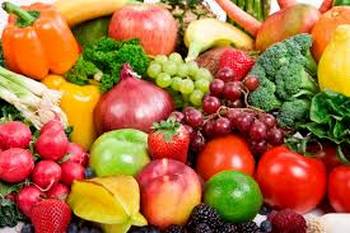 Why are they so important fruits and vegetables
Fruits and vegetables are loaded with essential nutrients and fiber, and are an essential part of any healthy diet. So should appear in abundance in your kitchen during pregnancy.
Eat a slice of melon or a few strawberries as a snack or snack and you ‘ll be giving your baby and vitamins important for growth while you stay healthy minerals. Enjoy them with some protein like yogurt or cottage cheese, and you have instant power for the entire afternoon.
Among the essential vitamins that come from this food group are beta-carotene, which your baby needs for the development of cells and tissues, vision and immune system ; vitamin C, crucial for healthy bones and teeth of your child as well as the manufacture of collagen in your connective tissues ; potassium, which helps control blood pressure ; and folic acid, which helps prevent neural tube defects and helps the baby to have a healthy birth weight.
The fiber in fruits and vegetables also bring a number of benefits to the body, including the proper functioning of the intestines. This helps prevent constipation and hemorrhoids, which are two common complaints during pregnancy.
How should eat
Whenever possible, try to eat 2 cups of fruit and 2 1/ 2 to 3 cups of vegetables a day. Here are some examples of what counts as a cup :
1 cup raw or cooked vegetables
2 cups raw salad leaves ( or 1 cup of salad leaves with 1/ 2 cup of other vegetables)
1 cup raw, canned or frozen
2 medium or 1 large banana bananas
1/2 cup dried fruit
1 medium to large fruit (1 large orange, 1 medium pear or grapefruit 2 large plums, 1/2 large apple )
Juice 1 cup containing 100 percent of fruit or vegetables, or a mixture thereof
To get the most out of fruits and vegetables, including many green leafy vegetables, and looking for all varieties of colors, making sure to include dark green (kale, spinach, broccoli ), deep yellow ( or chile pepper, some pumpkins, peach ), orange ( pumpkin, papaya, cantaloupe ), purple ( cabbage and onion, grapes, plums, cherries, blueberries ) and red ( strawberries, raspberries, peppers, tomatoes). Try also include vegetables in your two or three times a week menu. Nothing like fresh fruits and vegetables, but it’s okay to consume frozen or even canned varieties (avoiding, however, very sugary fruit juices). And try to go beyond bananas, apples and oranges. Here are some other possibilities filled with flavor and vitamins.
Great choices of fruits:
apricots (apricots )
blueberries
cantaloupe
cherries and sour cherries
pomelo ( grapefruit ) or grapefruit juice
grapes
guavas
kiwi
mango
papaya
pear
khaki
pineapple (pineapple )
raspberries and blackberries
strawberries
tangerines
watermelon
Great choices of vegetables:
asparagus
avocado
beet
peppers ( chilies )
broccoli
endive or escarole
or fresh peas in pods (peas )
dark green leafy vegetables ( kale, spinach, chard )
parsley
pumpkin
sweet potato ( sweet potato or yam )
tomato
Simple ways to include more fruits and vegetables in your diet
Always have fruit and vegetables washed and ready to eat, so it’s easy to grab a handful as a snack.
Prepare several different dishes that include vegetables, such as stir-fries, omelets and salads (and a fruit salad ).
Broil or grill vegetables on the handle to accentuate their flavor.
Prepare a larger amount of vegetables you are going to serve as a companion and use it as a salad the next day. (Kitchen steamed broccoli, served half as guest for dinner, and eat the other half as a salad the next day. )
Prepare a low-fat dressing to serve with fruit and vegetables, or just mójalas natural yogurt.
Add a special touch to your salad by adding some thinly sliced fruit (apples, pears, oranges, mangoes, strawberries and grapes are very rich ).
Use herbs and spices to enhance the flavor of the vegetables.
Save fruit in sight in the refrigerator, not the background or behind other foods.
Make your fresh fruits breakfast cereal.
Prepare shakes or smoothies with yogurt, fruit juice and fresh or frozen (strawberries, bananas, blueberries, papaya, mango ) fruit.
Be adventurous. Try a new vegetable each time you go to the supermarket.
subscribe article
