Benefits of Chamomile
Posted on January 17, 2014 by john in Health care, Health Food

 What is Chamomile?
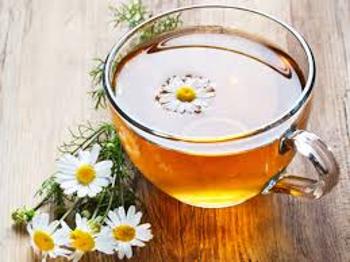
Chamomile is an herb that comes from a flowering plant of the daisy family. Both fresh and dried chamomile flowers have been used for centuries to make teas and cure many health problems. The active ingredient in chamomile is known as bisabolol, which has a number of anti -irritant, anti- inflammatory and anti -microbial.
What are the Benefits of Chamomile?
Chamomile can be used topically or orally to treat a variety of ailments or everyday ailments, such as:
- Insomnia and other sleep disorders
- Anxiety and panic attacks
- Muscle spasms
- Wounds, burns and scrapes
- Skin diseases such as psoriasis, eczema, chickenpox, and diaper rash in babies
- Stomach problems such as menstrual cramps, stomach infection and ulcers
Uses of Chamomile as Home Remedy
stomach cramps
In chamomile found great antispasmodic and anti-inflammatory properties. Therefore, it is considered very effective in treating infections of the stomach and intestinal pain. Just brew a cup of chamomile tea and drink it twice a day until symptoms disappear ( have a cup in the morning and one in the afternoon ).
insomnia
Chamomile is a wonderful resource for sleep disorders such as insomnia. Just take a chamomile tea 30-45 minutes before going to bed.
Irritable Bowel Syndrome (IBS )
Chamomile reduces pain, excess gas and bloating in the intestines. Therefore, a simple remedy is to drink a cup of chamomile tea to help relieve irritable bowel syndrome, nausea and gastroenteritis or stomach infection.
Headache - Migraine
Chamomile is a wonderful remedy for migraines. Drink a cup of tea when you feel the migraine. It works best if taken before the headache begins.
Premenstrual Syndrome (PMS) and Menstrual Pain
Drink chamomile tea during those “days”, it has been found to be very beneficial to reduce inflammation and eliminate menstrual cramps.
Burns and Scrapes
Chamomile oil is very useful in the treatment of severe burns. As simple as rubbing a small amount of oil to lightly burned skin area once daily. For less severe scrapes and burns, you can also prepare a mixture of 3 tea bags in a cup of boiling water. When the water cools, dip a washcloth and use it as a compress on the affected area of skin.
conjunctivitis
Chamomile is very effective in the treatment to eliminate conjunctivitis. For this, wash your eyes with tea made with two tablespoons of chamomile or two tea bags in a cup of water, let this completely cool before applying.
Skin Whitening
Chamomile is also used to lighten the skin tone. You just clean vaporization in the face with two liters of water and 2 tea bags or a boy bouquet chamomile. Wash your face with tea or chamomile natural soap also works.
Dark circles around the eyes ( dark circles )
Chamomile tea helps relieve eye fatigue and removes dark circles. A simple remedy is to dip two bags of chamomile tea in hot water. After 5 minutes, remove the tea bags and let cool to room temperature. Then you put them in your eyes ( closed ) as a compress.
What are the side effects of chamomile?
As with all herbs, moderation is the key to avoiding adverse reactions. Some of the potential side effects of chamomile include drowsiness, so use caution if driving or if you operate machinery. High doses of chamomile can also cause reactions like vomiting in some people. If you are allergic to pollen may have trouble using chamomile, first consult your physician.
Use chamomile during pregnancy is not recommended, as it is considered an abortifacient. Chamomile is not recommended if you are taking blood thinners, since chamomile contains a substance called coumarin, which is also a blood thinner.
Where and How to Buy Chamomile
Chamomile can be bought fresh, dried, tea boxes, liquid extracts, essential oils, tinctures (concentrated in alcohol), creams and ointments. Tea bags are the most common and can be found in many shops, supermarkets, online stores and pharmacies.
The 10 benefits of drinking water
Posted on January 16, 2014 by john in Health care
Water is the essence of life and is necessary for the production and proper functioning of every cell in the body. It is an essential nutrient for the body.
Approximately 70 % of the body is composed of water. This vital fluid is the second most important element needed to survive, after oxygen.
Because of their physical and chemical characteristics, water has many functions in our body : maintaining blood volume, transport of nutrients and oxygen, used as a solvent in many metabolic processes and actively participates in as a reagent in many chemical reactions, the regulation of body temperature and removal of waste products.
The 10 benefits provided adequate intake of drinking water are :
Reduce the risk of heart problems by reducing the rate of cardiovascular problems.
Decreases the chances of viral infections such as the common cold or flu, bacterial infections and the possibility of having an acute asthmatic attack, because the water hydrates the linings of the nose, throat and lungs bronchi.
Aids in the digestive process and maintaining adequate intestinal transit preventing constipation.
Benefits the brain. This depends on water to work more efficiently.
Prevents the formation of kidney stones as well as proper disposal of these susceptible to train people, and decreases the chance of developing urinary tract infections.
Keeps skin soft and hydrated, shine in the hair and nails healthy.
Reduce by 45 % the risk of colon problems and half the odds of developing bladder cancer.
Reduce by 79 % the risk of developing breast cancer.
Help with cramps. Proper hydration helps keep joints lubricated and muscles. Water is one of the key elements associated with muscle cramps. Therefore it is recommended to drink water before, during and after exercise.
It gives you energy. The most common cause of daytime fatigue is mild dehydration. Even minor dehydration can make you feel tired, gives you a headache and makes you lose concentration.
Water is involved in all processes of individual life that takes place in your body. Almost two thirds of our body weight is water.
Blood is 83 % water.
Muscles are 75 % water.
The brain is 85 % water.
Bones are 22 % water.
Consequences of not drinking enough water
Not drinking enough water in our body causes a variety of ailments that tell us that we should increase the daily dose.
Here are some symptoms caused by small states of dehydration:
Headache.
Fatigue.
Mood swings.
Cramps.
Muscle aches.
They usually occur when water intake is less than 700 milliliters per day ( less than 3 glasses of water a day ) for a long time :
Numbness of the extremities.
Disturbed vision.
Difficulty swallowing.
Delirio.
Heart attacks and even death.
Business Health Services of Paraguay SA ( Essap ) recommends all users to take the necessary daily amount of drinking water to maintain the smooth functioning of the entire body and keep it clean of toxins.
Benefits of physical activity on health
Posted on January 16, 2014 by john in Fitness tips, Health care
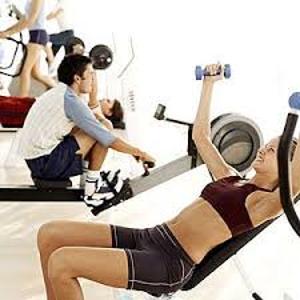 It now seems clearly shown that while inactivity is a risk factor for the development of many chronic diseases, including cardiovascular stand to represent one of the main causes of death in the Western world, leading a physically active life produces many benefits, both physical and psychological health.
It is not easy to define the term health because each person has a personal experience and perception of it, depending on what each considered normal, socioeconomic status, religion, lifestyle and culture, which provides the pattern that defines how room or be healthy. Many definitions refer to the absence of disease and health concept, such as Samuel Johnson in his Dictionary ( 1775 ), which says that health ” is to be robust, unharmed, or without discomfort, pain or disease.” According O.M.S. (World Health Organization ), health can be defined as ” a state of complete physical, mental and social wellbeing and not merely the absence of disease.”
One motivation for physical exercise is the finding that welfare state that approaches the individual concept of health as a basic component of quality of life.
Is it safe to exercise?
According to studies conducted, it appears that there is a relationship between physical activity and life expectancy, so that the most physically active populations tend to live longer than inactive. Moreover, it is a reality that people who exercise regularly have the subjective feeling of being better than before making it, both physically and mentally, ie have better quality of life. It seems clear therefore that physical exercise has some positive health.
The human body is designed to move and therefore requires exercise regularly to stay functional and avoid illness. Physical activity is any bodily movement produced by muscles that requires energy expenditure. Exercising is a type of physical activity is defined as any planned, structured and repetitive bodily movement done to improve or maintain one or more components of physical fitness status. When the level of physical activity does not reach the minimum required to maintain a healthy state, speaking of inactivity.
During our childhood and adolescence most of us maintains a level more than sufficient physical activity through play and various sporting activities. But the opportunities for physical activity decrease as we become adults. In addition, unlike previous generations, are becoming less engaged, either at work or in leisure time activities that involve some kind of physical work. In any country of the world we call developed, indicators of physical activity show really discouraging numbers. According to various statistics inactivity affects 40 to 60 % of the population, and only 1 in 5 individuals reaches the minimum recommended physical activity for health.
What are the benefits of physical activity for health ?
In a brief and very wise statement, Dr. K. H. Cooper defines exercise as ” the method to put more years in your life and more life in your years.” Most people can benefit from physical activity regularly. Often people think that getting enough exercise at work. Many think they are too old to start, other than its physical form is too bad to try to recover. Obesity, diabetes, or a physical disability, may be the reasons that discourage the subject to begin physical activity. But in many cases are simply lazy, or expectations of the fatigue and pain that prevent reaching even attempted.
At present there appears to be sufficient evidence to prove that those who lead a physically active lifestyle can get a long list of health benefits :
Reduces the risk of mortality from cardiovascular diseases in general and especially in CHD mortality similar to other risk factors such as smoking grade.
It prevents and / or delays the development of hypertension, and lowers blood pressure values in hypertensive patients.
Improved profile of blood lipids ( lowers triglycerides and increases HDL cholesterol).
Improved glycemic control and reduces the risk of non insulin dependent diabetes.
Improves digestion and regular bowel habits.
Reduces the risk of certain cancers, including colon, one of the most frequent and on which there seems to be more evidence.
Increased utilization of body fat and improved weight control.
Helps maintain and improve strength and muscular endurance, increase functional capacity to perform other physical activities of daily living.
Helps maintain the structure and function of joints. The, as recommended in order to obtain health benefits, physical activity of moderate intensity does not produce joint damage and instead may be beneficial for osteoarthritis.
Physical and especially that activity in which weight is supported, is essential for normal bone development during childhood and to achieve and maintain peak bone mass in young adults.
Helps reconcile and improve sleep quality.
Improved self-image and sharing an activity with family and friends.
It relieves tension and improves stress management.
Helps fight and improve symptoms of anxiety and depression and increases enthusiasm and optimism.
Helps establish heart-healthy living habits in children and combat factors (obesity, hypertension, hypercholesterolemia, etc.. ) That favor the development of cardiovascular disease in adulthood.
In older adults, decreases the risk of falls, helps delay or prevent chronic diseases and those associated with aging. This improves their quality of life and increases their ability to live independently.
Helps control and improve symptoms and prognosis in many chronic diseases (ischemic heart disease, hypertension, chronic obstructive pulmonary disease, Obesity, Diabetes, Osteoporosis, etc.. )
Reduces mortality in both young adults and the elderly, being even lower in those who just maintain a moderate level of physical activity than less active or sedentary.
Finally, all of these benefits have a final impact on reducing health care costs. This is a strong argument for both government and private support to promote physical activity in all sectors of our society.
The human body as a result of regular physical training, presented in different organ systems morphological and functional changes we call adaptations, which will allow one hand to prevent or delay the onset of certain diseases and otherwise improve the ability to perform physical exertion. A person trained physically be able to run to the bus stop without getting tired too, play with their children more vitality and even do some bragging with friends at a football game.
Undoubtedly regular exercise allows us from the psychological point of view face life with greater optimism and better choice, while socially integration means different human groups.
Physical activity is not only healthy physically, but mentally is also beneficial because it helps to release endorphins and feel better about ourselves. Also if we practice sport in a nice setting, that increases mental benefit handsomely.
An excellent alternative to achieve the latter is to use the multi-adventure sports fun in nature. Adventure activities such as hiking, kayaking, rafting or mountain bike can get in touch with nature and increase profits if you already have sports activities.
Possible problems arising from the practice of physical activity, the most common is the risk of musculoskeletal injuries. This is easy to avoid if excess and activity level increases so slowly and gradually to desired not commit. On the other hand, if it is true that strenuous exercise greatly increases the risk of cardiovascular events ( acute myocardial infarction or sudden cardiac death), in previously sedentary individuals and those who exercise regularly, the overall risk remains markedly lower in the latter.
For those who intend to begin a program of intense physical activity and have some kind of chronic disease (ischemic heart disease, arterial hypertension, diabetes, etc.. ) Or increased risk of suffering, and for women over 50 and men over 40 years, it is advisable to pass a medical examination.
PHYSICAL ACTIVITY AND HEALTH : DEFINITION
Posted on January 14, 2014 by john in Fitness tips, Health care

 Physical activity is any activity that makes the body stronger work than normal. However, the actual amount of physical activity you need depends on individual health goals, whether you ‘re trying to lose weight and how healthy you are right now.
Physical activity can help :
Burn calories and reduce body fat
Reduce appetite
Maintain and control weight
If the purpose is to lose weight, physical activity works best when calorie intake is reduced.
The amount of calories burned depends on
The amount of time you spend on physical activity. For example, walking for 45 minutes more calories than walking for 20 minutes will burn.
Body weight : For example, a person weighing 250 pounds ( 117 kg ) will spend more energy walking for 30 minutes a person weighing 185 pounds ( 87 kg ).
Rhythm: For example, walking at 5 km (3 miles) per hour more calories than walking at 2.5 km ( 1.5 miles) per hour are burned.
BASAL METABOLIC RATE
The basal metabolic rate ( BMR ) is the number of calories the body uses when at rest and represents the largest amount of calories a person. The basal metabolic rate of an individual depends on body functions such as breathing, digestion, heart rate and brain function. Age, sex, weight and physical activity affect the basal metabolic rate, which increases with the amount of muscle tissue of the individual and decreases with age.
Physical activity increases calorie consumption and basal metabolic rate, which may remain elevated after 30 minutes of moderate physical activity. For many people, the basal metabolic rate can increase by 10 % for 48 hours after physical activity. This means, for example, that even after performing a physical activity when the person is sedentary and spent watching television, the body is using more calories than usual.
EFFECTS ON APPETITE
Physical activity at a moderate rate does not increase appetite, in fact, in some cases reduces it. Research indicates that the decrease of appetite after physical activity is greater in individuals who are obese than in those who have an ideal body weight.
BODY FAT LOSS
A person loses 25 % of lean body mass and 75 % body fat when you lose weight just by cutting calories. The combination of reduced calories with physical activity can lead to loss body fat of 98% and a weight loss that is achieved with this combination is more effective. To maintain a desirable body weight, maintain the level of calories with physical activity to preserve lean body mass and muscle tone.
RECOMMENDATIONS :
To lose weight and keep it
Physical activity at least 3 times a week and if increases to 4 or 5 times a week, the benefits will be even greater. Syndicate physical activity throughout the week instead of making it for 3 or 4 consecutive days to reduce the risk of injury.
Heart rate to be achieved during exercise should be between 60 and 90 % of maximum heart rate.
To calculate the heart rate to be reached, you can use the following formula :
220 ( beats per minute) minus age = maximum heart rate.
Maximum heart rate multiplied by the intensity level = heart rate to be achieved.
For example, a 50 year old woman exercising at a maximum of 60 %, you must use the following calculation:
220-50 = 170 ( maximum heart rate )
170 X 60 % = 102 ( heart rate achieved )
This is your target heart rate, regardless of the type of physical activity you decide to make.
Physical activity at 60 to 70 % of maximum heart rate can be continued safely for a long time. If an exercise is too hard, you can not hold a conversation during physical activity (the person ‘s breath ).
According to the American College of Sports Medicine, physical activity less than twice a week made less than 60% of maximum heart rate and less than 10 minutes a day does not help the development and maintenance of a good way physics. If physical activity is suspended, the level of health benefits are completely lost. After 2 or 3 weeks, the level of health is reduced, and after 3-8 months it has completely lost and the person has to start again.
20 minute continuous aerobic activity 3 days a week for weight loss are recommended. Examples of physical activity that can be considered aerobic include walking, running, jogging, climbing, swimming, cycling, rowing, cross country skiing and jumping rope.
BENEFITS
Physical activity contributes to health by reducing the heart rate, decreasing the risk of cardiovascular disease and reducing the amount of bone loss associated with age and osteoporosis. Physical activity also helps the body burn calories more efficiently, thereby facilitating loss and weight maintenance. You can increase the basal metabolic rate, reduces appetite and help reduce body fat.
SIDE EFFECTS
Physical activity should be done at a pace that is appropriate for the person. It is important and desirable to be evaluated by a sports medicine specialist to prevent injuries from occurring by physical activity undertaken without regard to the type or duration of the activity and the physical condition of the person.
Physical activity recommendations
Posted on January 13, 2014 by john in Fitness tips, Health care
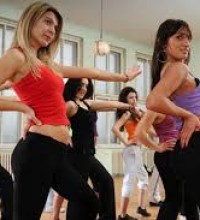
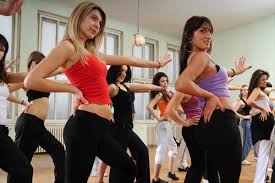 We all know that physical activity is crucial for healthy living, but often do not know how much exercise you perform, what activities and how long to prevent lifestyle- related diseases. Therefore, due to inactivity and avoid facing chronic noncommunicable diseases, the World Health Organization has developed new physical activity recommendations for all ages, for the global population.
Physical activity recommendations, recommendations for physical activity, physical activity recommendations and guidelines, recommendations and guidelines for physical activity, compendium of physical activities tracking guide.
For ages 5 to 17 years
For children and youth recreational activities, games, sports, physical education or planned exercise that can be done in school or community activities in the context of the family are recommended. We recommend :
60 minutes of physical activity of moderate to vigorous intensity.
If you make more than 60 minutes a day, the benefits will be even greater.
Daily activity should be aerobic in majority.
For people aged 18 to 64 years
Recreation or entertainment, travel on foot or by bicycle, occupational activities, household chores, games, sports or planned exercise is advised in this group. We recommend :
At least 150 minutes per week of moderate physical activity or 75 minutes of vigorous aerobic physical activity per week intensity intensity.
Aerobic activity is performed in bouts of 10 minutes in length at least.
For greater health benefits, it is recommended to increase up to 300 minutes of moderate physical practice aerobic activity per week or up to 150 minutes of intense activity.
Two or more times a week building activities of large muscle groups should be performed.
For people 65 and older
They can engage in recreational activities, bicycle or on foot, tasks at work and home, games, sports or planned exercise. We recommend :
Make a minimum of 150 minutes of moderate aerobic physical activity during the week or 75 minutes of vigorous activity.
The activity is performed in bouts of at least 10 minutes.
For greater health benefits it should practice 300 minutes per week of moderate activity or 150 minutes of vigorous aerobic activity.
For older adults with reduced mobility should be used to improve balance activities 3 or more days a week.
2 or more days a week of activities to strengthen large muscle groups should be performed.
If you prune your health status can not be the recommended physical activity, it should keep physically active as possible within their state.
These recommendations are very useful for us to know how much we need to take care of our health through activity we do every day, not just a gym, but also in our home or work.
Physical Activity for Healthy Living
Posted on January 13, 2014 by john in Fitness tips, Health care
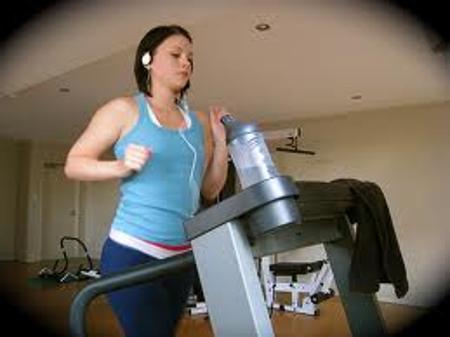 You worry about our health never hurts. Sometimes we only remember it when we are sick and then decided to go to the doctor or, in the worst case, we self-medicate.
Health enhancing physical activity. Apparently feel they do not relieve us of our body and take an interest in their operation, hence the importance of healthy living. But how to achieve it?
Achieve a correct and balanced diet, which provide us the right to preserve our physical and mental health in constant harmony with the environment around us nutrients, is one of the steps to consider, while the other point I want to share with you is related to practice exercises frequently. Ah ! and refrain from smoking.
The world, and the Cubans as part of it, we are absorbed into a stirred, own routine of the century. The turbulent life in which we find ourselves, makes us victims of stress, buzzword, with which justify most of our ailments.
In the book “In Motion ” by Dr. Gregorio Martinez Sanchez, published by the Scientific and Technical Publishing, the author presents the advantages of the practice of regular physical activity for health for all, through a set training plan to personal characteristics. The text helps Cubans try to transform hostile and sedentary life in pursuit of an active, healthy and fulfilling life.
Practice exercises regularly and systematically helps minimize the risks of cardiovascular, coronary heart disease, cerebrovascular accident, diabetes, hypertension and back pain to name a few. Besides helping to prolong our existence on Earth and improve its quality, because its benefits are from physiological, psychological and even social.
During childhood and youth, people are more active, though not always achieved this age group motivated by physical activity in their free time, perhaps because of the influence it has on today ‘s public child and adolescent culture media audiovisuals, which are almost always rigged to inactivity and obesity, the latter due to the ingestion of the ” junk food”, with which it often accompanies long hours photo viewing.
In fact, the World Health Organization (WHO ) announced that 2.7 million deaths a year are attributed to insufficient intake of fruits and vegetables, while a 1.9 million is caused by physical inactivity.
Recognizing then that improving diet and promoting physical activity represent a unique opportunity to develop and implement an effective strategy to reduce the mortality and burden of disease worldwide, WHO adopted in May 2004 the Global Strategy on Diet, physical Activity and Health.
The National Institutes of Health (NIH ) recognizes that there are four main types of physical activity: aerobic, designed to strengthen the muscles, bones, and stretching. The first is the one that benefits the heart and lungs.
Now, when we decided to practice exercise is always good to consider the opinion of a specialist succor us about the type of activity performed, according to the needs and characteristics of our body.
In the article ” Physical activity and oxidative stress. The great paradox “, the authors, Dr. Luis Mayor, Ms. Celia Alonso and Angela DrC. Osvaldo Garcia, called attention to the oxidative stress generated, sometimes, physical activity (PA ).
Oxidative stress, defined as “a state of the cell in which the oxide is altered intracellular homeostasis reduction, ie, the balance between pro-oxidants and antioxidants. This imbalance occurs because of excessive production of reactive oxygen species ( ROS ) and / or deficiency in antioxidant mechanisms, leading to cell damage. ”
Also explain that the AF increases oxygen consumption generating the appearance of Reactive Oxygen Species ( ROS ), “which can be seen as a stimulus that stresses various body systems in different degrees and thus promotes a variety of adaptations roughly specific for the type, intensity and duration of exercise performed. ”
Undoubtedly, oxidative stress is a disturbance of redox balance ( ORP ) for the overproduction of ROS. The MEDI- MARKETING.es Web site notes that when oxidative stress is allowed to persist for an extended period of time, people are more conducive to developing a chronic degenerative disease, hence the importance of practicing exercises consciously.
Dr. Rafael Gutierrez, MEDS sports physician, emphasizes that this condition is not controlled oxidation leads to premature aging in addition, the condition of more than 200 diseases, including cardiovascular, neurological, degenerative and certain cancers.
In turn, clinical nutritionist Dawn Cooper suggests that endogenous antioxidant produced by our body ( super oxide dismutase, catalase, glutathione peroxidase ) tend to decrease with age, so it is essential antioxidant intake in the diet and as supplements.
We are responsible for the physical activity we exercise, which should be all healthy and adequate to our needs now. The physiological and psychological values that earn more than the practice are proven, just like everything in life should be free of excess.
Daily physical activity
Posted on January 12, 2014 by john in Fitness tips, Health care


Daily physical activity, Physical activity is any bodily movement that results in energy expenditure ( calories burned ). Perform a physical activity therefore means ” move.” Incorporate some simple everyday activities like walking, climbing stairs, cycling, dancing and the like, is enough to have an active life and improve health.
Having an active lifestyle improves health and well-being at any age. It also helps to prevent many health problems :
Relieves stress
Improves anxiety and depression
Controlling body weight
Reduces blood pressure
Muscular diseases and preventing osteoporosis
Reduces the risk of cardiovascular disease, diabetes and colon and breast cancer.
How much physical activity is required for health benefits ?
For an adult simply :
All or most days of the week, 30 minutes of moderate intensity activity.
( moderate intensity is one that can have a conversation while the activity is performed ).
And two days a week, 15 minutes to make a simple table of gymnastics.
Remember:
It is always better to get some exercise than anything
There is always a type of exercise that vd. can be performed.
If you have any disease, you should consult your health center about physical activity that suits you.
How can physical activity?
Some ideas for incorporating physical activity into daily life :
fail to walk in the city to work or your daily activities.
if you use public transport, Alight two stops before your destination and walk.
use the stairs instead of the elevator.
assess the possibility of cycling.
uses part of your free time to practice any activity that interests you, such as dancing, playing, running, swimming…
Some myths about physical activity
“Physical activity is too expensive.”
Do not confuse physical activity sport. Physical activity does not require any equipment and can be performed anywhere. For example, climbing stairs, walking, dancing, etc..
“Physical activity is time ” or “I’m too busy / a for myself to exercise.”
The 30 minutes of physical activity can be integrated into your usual daily activities at work, at school, at home and on the routes to these centers. time physical activity can be accumulated throughout the day.
“Physical activity is for young people. At my age no longer have to worry about those things.”
Physical activity improves quality of life for people of all ages. In older people, in addition to the overall benefits, it helps to prevent falls and improve mental health as it increases self-confidence, autonomy, and also promotes the benefits can be enjoyed social. The relationships even if regular practice starts in a late stage of life.
Leading an active lifestyle is one of the most useful and simple things we can do to feel good, improve our health and prevent disease.
The Importance of Physical Activity for Mental Health
Posted on January 12, 2014 by john in Fitness tips, Health care
Physical activity and mental health. At present most frequently observed that there is less interest and a significant decrease in the practice of physical activity among children, adolescents and adults, our culture increasingly becomes less dynamic and more passive on the subject of sports and physical activity.
Are observed in everyday life dangerous habits that threaten our health and our lives, habits like poor diet, we consume foods rich in fats and sugars often in excess are harmful to our bodies, in addition to that a sedentary lifestyle.
All this leads to many cases of physical illness and psychological disorders that will affect not only the person individually and emotional if not also a social level.
Since our daily routine practice bad habits brings, days full of stress, isolation, moodiness, sadness, low self-esteem to be able to fall into a depression.
Therefore one of the most important aspects to improve our physical and mental health is to exercise, this brings many benefits to our health and our lives in general.
Physical activity and mental health
Exercise is not only exercising, you enjoy is to share, to live. It is a source to look and feel good.
The benefits of physical activity gives us to improve our Mental Health:
Improves our mood ( bad mood decreases )
Helps improve and increase our self-esteem
Helps stay positive
· It is a great tool to combat daily stress
Increases longevity
Decreases Obesity
Increases the immune system functions
· It has great benefits on cognitive processes
· It helps us feel good in general.
Take some time and get moving, we can all work out not need much to improve your life, and have not only a long life if not quality of life, and keep us happy. Then enjoy the benefits it gives us the constant physical activity and live better.
Benefits of Physical Activity
Posted on January 11, 2014 by john in Fitness tips, Health care
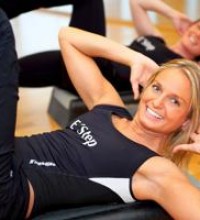
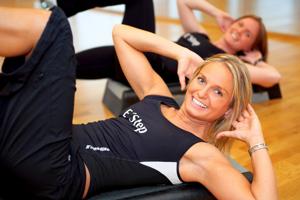 Physical exercise and sports improve our health and quality of life, providing a number of benefits to physical, mental, social and emotional level, even if exercise is carried out without control, faulty technique, inadequate positions, pushing the envelope, etc.. we could cause serious harm and injury to our body. Some of these benefits are:
Physically :
Removes grease and prevents obesity.
Increases resistance to exhaustion.
Prevents heart disease.
Improves respiratory amplitude and efficiency of the respiratory muscles.
Decreases resting heart rate.
Promotes growth.
Improves muscle development.
Fighting osteoporosis.
Improves physical performance, increasing levels of strength, speed, endurance, etc..
Regulates constipation caused by bad habits such as sedentary.
Increases the vital capacity.
A psychic level :
Has tranquilizers and antidepressant effects.
Improved reflexes and coordination.
Provides sense of wellbeing.
Eliminate stress.
Prevents insomnia and regulates sleep.
A socio-emotional level :
Encourages participation and initiative.
It stimulates the desire for teamwork.
Channeled aggression.
Promotes self.
It teaches us to accept and overcome the losses.
It teaches us to take responsibility and accept the rules.
Promotes and enhances self-esteem.
Improving body image.
Importance of physical activity
Posted on January 11, 2014 by john in Fitness tips, Health care
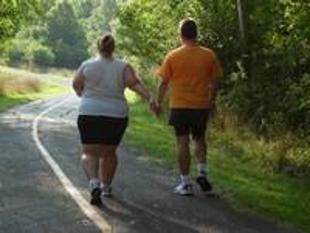 We define the concept of physical activity as a whole that makes the body having a greater expense to energy metabolism is doing a specific movement, which may or may not be repetitive, having this feature as fundamental.
It is often confused this concept with Physical Exercise, but we make a difference in the latter term is based on a Physical Activity Following a repeat a planning or an approach to improve a part of our body and strengthen our conditions physical.
The benefits of performing regular physical activity are based on the following advantages we listed, including:
Lower risk of cardiovascular disease
Increases calorie consumption even up to 30 minutes of activity on
Contrary to popular belief, reduces appetite
A physical activity accompanied by a low calorie diet that helps you lose Body Fat to 98 %
However, these benefits can be counterproductive by excessive physical activity in a short time and suddenly, causing cellular and physical wear, along with a greater chance of contracting diseases affected the immune system.
In contrast to the development of a moderate and frequent Physical Activity, Sedentary have to, just being a low or no exercise movements in everyday activities, thereby causing a lot of conditions and diseases.
Besides being causative of Cardiovascular Diseases ( with frequent occurrence of Myocardial Infarction ) one of the most obvious consequences of it is the significant increase in body weight, being mainly caused by a higher caloric intake than is spent.
This also results in a loss of mobility Joint also joined the hypotrophy Muscular ( ie Muscles lose their ability and skills atrophy ), we lose resilience and we have a decrease in Bloodstream, with the manifestation of varices.
That is why people who lead a sedentary lifestyle also have a greater tendency to discouragement, have a common sense of discomfort and often have a low resistance to fatigue, often feeling tired and low resistance to various activities.
Definition of Physical Activity
Posted on January 11, 2014 by john in Fitness tips, Health care

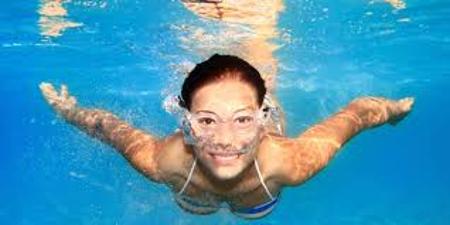 Physical activity is defined as any activity or exercise that results in energy expenditure and set in motion a lot of body phenomena, mental and emotional level in the person performing the task. Physical activity can be done in a planned and organized or spontaneous or unintended, although in both cases the results are similar.
Normally, physical activity is an ability possessed by all living things that move : animals and humans. However, in the case of human, physical activity can be properly planned and organized to achieve specific results. Physical activity in humans has been popularized in recent decades as a direct way but also to the mental and emotional fitness not only because it is considered that the exercise stress out, eliminates toxins and chemicals that are awake to do with personal satisfaction.
Physical activity may be exercised or done in various ways. When this is unintentional or unplanned, physical activity is rather basic exercise such as walking, doing household chores and many others. Physical activity is also planned varied and you can find numerous types of exercises that are designed for different types of audiences, for different needs for different types of results.
Physical activity has many benefits such as improving health at the body ( improves circulation, can lose fat, boosts metabolism, strengthens muscles), but also on an emotional and psychological level and allowing the body to stress renew energy and wear it all the strength to spare.
Gyms, clubs and fitness centers are now extremely popular day because they typically offer a significant variety of sports activities for partners and customers to find the one that best meets your goals and needs.
How to get rid of lice
Posted on December 30, 2013 by john in Health care
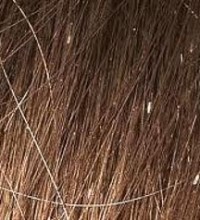
How to Get rid of lice get rid of lice
With the return of children to school also becomes the concern of the spread of lice or pediculosis. For this reason, parents need to know how to remove lice effectively.
Pediculosis is a pest that does not distinguish any socioeconomic status, presenting symptoms like constant itching and tingling sensation on the scalp. What are these annoying symptoms that make the question of how to remove lice have troubled parents and teachers around the world since ancient times.
Head lice are spread by direct contact from person to person, and the sharing of hats, hats, scarves, combs or clothing in general that have been in contact with an infected person, because lice can live up to two days out scalp. Do not share this kind of objects is a fundamental first step on how to remove lice.
Turn, be considered life cycles of these parasitic insects since before adulthood go through a stage where they are called ” nymphs “, and before that take their place as eggs, called ” nits “. Thus, the different ways of how to remove lice should include the eradication of all these stages.
One of the main problems that arise on how to remove lice and nits are related to the use of chemicals applied to the scalp, as if there are different products or shampoos that are freely available in pharmacies, many times they can cause reactions allergic.
So many people ask how to remove lice and nits definitively safely with chemicals? The solution are some home remedies that mothers and grandmothers used forever, ensuring its effectiveness without spending more. Thus we find the use of essential oils, cooking oils, vinegars and alcohols.
Olive oil is an effective method to remove lice. Be mixed a liter of this oil with 20 drops of lavender essential oil, as many of geranium essential oil, two sprigs of rosemary and a few mint leaves for flavoring. It is applied with a comb, leaving it on for 24 hours. Washing with normal shampoo is then performed to remove oil and a fine anti lice comb passes. Can be repeated if necessary.
Alcohol is also a good way to get rid of lice, although implementation may take a little longer. Ethyl alcohol, applied with a fine comb cotton used. After washing your hair with regular shampoo. This process can be repeated a week later.
Use white vinegar is another traditional way to remove lice, which yields very good results. Its application is as the previous method of alcohol, but with the difference that should apply warm vinegar. Their removal and repetition are also like those of alcohol.
Finally, please note that the use of fine tooth combs or anti lice is a crucial resource on how to remove lice, particularly to get rid of the nits that are otherwise very difficult to eradicate.
Ten Tips for pollen allergic
Posted on December 30, 2013 by john in Health care
The data that drives the Spanish Society of Allergology and Clinical Immunology ( SEAIC ) are a clear example of the importance of allergy in our health and welfare. En Spain currently living 12million affected and pollen allergy is the most frequent ( 20% of the Spanish population suffers ).
Funny how often confuse patients pollens with white fluff that appear in May and are just fluffs seeds produced by the poplars and other plants. They often attribute their symptoms because around this time the invisible grass pollen appears.
The pollen grains are scattered about in the air are invisible to the human eye , being necessary to view a microscope. When viewed together is a yellow powder.
In addition to grasses , other allergenic pollens reaching remarkable relevance throughout the year in various Spanish regions , Cupressaceae January to March, the plane tree in large cities and in May and June grass and olive trees , it is also noteworthy pellitory pollen on the Mediterranean coast , a highly allergenic weeds and prolonged pollination.
Spring is complicated for those allergic to pollen, with troublesome symptoms such as itching and irritation of eyes and throat, sneezing , runny nose and even difficulty breathing.
Allergy has no cure but symptoms can be controlled with the help of medical treatment.
pollen allergy
Take note ten hygiene measures to avoid contact :
1. Keep windows closed at night and use air conditioning filters.
2. Reduce outdoor activities during 5-10 am ( the pollen emission period ) and 7-10 hours ( period of decline of pollen from the atmosphere to cool the air).
3. Keep closed when traveling by car and put the air conditioning filters car windows.
4. Stay as long as possible indoors on high pollen count , and windy days.
5. If you go on holiday in peak periods of pollination choose destinations in pollen -free areas , for example on the beach.
6. Take the medication prescribed by the allergist.
7. Avoid mowing the lawn or lying in it.
8. Do not dry clothes outside during the days of high counts. Pollen can get caught in it.
9. Wear sunglasses and a face mask covering mouth and nose when you go outside , especially if you’ll be out long periods of time.
10. Follow the pollen counts.
How to healthy eat every day
Posted on December 23, 2013 by john in Health care, Health Food

 How to healthy eat every day. According to the World Health Organization should eat all these vegetables each day and incorporate only small amounts of animal foods. Which is reality?. The reality is that e can not always eat as well as we would like and, without realizing it, had too few vegetables and animal foods. Here ‘s how to eat healthy every day, not just on Monday.
Healthy eating every day, healthy foods to eat every day
Taking too many animal foods, just taking too much animal fat that accumulate in our body and we can take its toll.
We can correct this disequilibrium in our power to reduce the consumption of foods of animal origin and introducing more plant foods.
These foods should be taken every day, plus occasional meat and fish more often.
These are the amounts that are recommended to eat every day to eat healthy :
250g of cooked vegetables
250 g. type of raw vegetable salad
180g. rice
Three pieces of fruit ( an apple, an orange and a banana
80 g. vegetable
1/4 loaf of bread
30 g. nuts
30 g. breakfast cereal.
To read more articles like how to eat healthy every day, we recommend you enter our category of balanced diet.
How to maintain a healthy body
Posted on December 23, 2013 by john in Health care
How to maintain a healthy body. Look and be healthy is an important aspect for many people, though not everyone pays the necessary attention. A combination of beneficial habits are the key to improving health and improve our lives, reducing the chance of developing various diseases directly linked with our customs, such as tension problems, high cholesterol or type 2 diabetes.
Maintaining a healthy body
Rest well. Sleep is important not only to recover lost energy, but to relax our body, forget the tensions, promoting concentration when we are awake, and keep the body functioning properly. Recent studies have shown that those who sleep less are at greater risk of obesity and heart problems, so rest at least 7 hours each day.
Ways to maintain a healthy body, Learn to Eat healthy and balanced way, understanding that :
Eating healthy does not mean eating boring, tasteless or sad, healthy food is also delicious. It just means that you should reduce fats, fried foods, sweets and anything that adds nothing to your body rather than unnecessary calories.
Vegetables, fruits, protein and carbohydrates are necessary for the body, do not delete anything.
Eating healthy is not starving, it’s just feeding on intelligence and thinking about your welfare.
If you do not like something do not eat it, this is important for maintaining a healthy body.
Drink at least 1.5 liters of water daily. No sodas, no sugary beverages not packaged juices : water. There are many benefits : it is free of calories, it’s the best way to stay hydrated, to have a beautiful skin, prevent premature aging, to maintain our operating properly and may lead to intestinal transit agencies. An important key to maintaining a healthy body everyday.
Take care to keep your body fit. Physical activity is needed to keep muscles, bones and healthy mind. It is a matter of aesthetics or figure only, but of health. If you want a healthy body hello to exercise at least 4 days a week, you will notice the difference.
The mind is a fundamental key : healthy mind in a healthy body. Keep a positive attitude towards life, reduces stress and concerns and not get bogged down with what escapes your hands, focus your energy on solving the problems that are at your fingertips and enjoy more of life.
Always have a hobby, an activity that you enjoy and do it often. A sport, a practice, a distraction that will help you feel relaxed and connect with your body or your mind, this is a great way to give pause to concerns for a moment and take care of you and your welfare.
Do not expect that a disease will change your lifestyle, rather leads a healthy lifestyle to prevent diseases. Having a healthy body is not a matter of figure and perfect measurements, but to feel good with what we have, with their flaws and virtues. Maintain a healthy body.
How to maintain a healthy body, maintaining a healthy body, how to maintain a healthy body weight, how can maintain healthy body, maintain a healthy body
Subscriptions article