
Obesity in children : what are the health risks
Posted on June 23, 2014 by john in Daily health tips for kids, Health risks of obesity
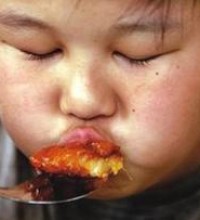
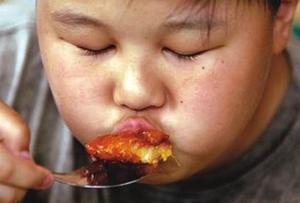 The weight in childhood, especially during puberty and adolescence-determined body size will have a person during his adult life. A specialist explains to Infobae.
Overweight and obesity in children and adolescents, both in our country and throughout the Western world, has become an epidemic in recent years. According to the World Health Organization, Argentina has the highest rate of childhood obesity in children under 5 years, with a prevalence rate of 7.3%. According to a survey conducted in 2012 by the Ministry of Health of the Nation, 1 in 3 adolescents between 13 and 15 years are overweight or obese.
The weight in childhood, especially during puberty and adolescence, determines the weight that a person during his adult life. The excess is associated with heart disease, such as hypertension, dyslipidemia and stroke, diabetes, respiratory problems such as sleep apnea and other diseases such as psychosocial.
It is essential that all children are screened by their pediatrician. The diagnosis of obesity must be performed by your doctor taking into account the ratio between weight and height, which is done through the Body Mass Index (BMI, or BMI for its acronym in English). For that, pediatricians and specialists have tables to assess what degree of overweight, if diagnosed, presented each child.
In cases of childhood obesity, 95% are due to external factors, ie that are not secondary to other disease or syndrome. Exogenous obesity has both environmental causes - that is dependent on eating habits and physical inactivity-such as genetic causes. In approximately 60-70% of cases of childhood obesity, family history are obese.
From the cultural point of view, there are several factors that facilitate the development of overweight in everyday life. It is essential to act on the feeding habits of children from early on, as these are the habits that will lead a healthy adulthood.
Children and adolescents are exposed to numerous situations in which you carry adequate food difficult. Such is the case of recess at school, going out or birthdays. On these occasions can be almost impossible to completely forbid them to eat the food served.
The key in these cases is to emphasize that there are healthier than other foods, and they are not as healthy as sweets or snacks, it is preferable to consume them only in certain special situations, not every day. For example, if a birthday can choose to eat some things like chips or a piece of cake, but the usual power house try to serve bread, toast or cereal instead of stuffed cookies.
After a certain age, children begin to spend more and more time away from home and adolescents may have numerous extracurricular activities, so take food from home or buy elsewhere. It is important in these cases to ensure that the food is healthy, nutritious and of course to remain rich. It is advisable to include in the lunch box foods from all groups of the food pyramid in the right proportion, ie more protein (meat and dairy), carbohydrates (such as pasta, vegetables and fruits) and avoid foods high in sugar as fat potato chips or some frozen foods. Some meats could be healthy vegetable pies, salads with chicken, tuna or rice and fruit for dessert or as a snack.
Keep in mind that, for kids to choose healthy foods away from home, they have chosen and eating them within it. It is at this point that both parents and pediatricians and specialists, we can help.
It is essential to prevent obesity from an early age, both through acquiring healthy eating habits, and promoting physical activity.
Recommendations for a healthy and balanced diet at the World Day Against Obesity
Posted on March 24, 2014 by john in Daily health tips for kids


Today is World Day against obesity with a proposal by the European Medical Institute of Obesity ( IMEO ) initiative : ‘ Week of Support for Obese Women’. From Spain we are working for over 7 years in the NAOS Strategy ( Strategy for Nutrition, Physical Activity and Obesity Prevention ) from the Ministry of Health, launched by the Spanish Agency for Food Safety and Nutrition ( AESAN ). The main objective is to raise awareness of the problem that obesity poses to the health and promote all initiatives that contribute to citizens to adopt healthy lifestyles, primarily through healthy eating. From ainia propose 10 recommendations to follow to ensure that our children ‘s diet is healthy and balanced.
The new legislation authorizes schools and colleges the opportunity to implement services as an alternative to conventional lunchbox cafeteria has raised concerns among experts on child nutrition. This measure responds to the request by some associations of parents of students to cope with the economic crisis. However, experts believe that children remain complicated healthy and meals if they carry food from home to school. From ainia, we propose some useful tips to ensure that menus are balanced and nutritious.
Healthy lunchboxes at school
Mothers, fathers, or guardians, then offer 10 recommendations to follow to ensure that our children ‘s diet is healthy and balanced :
1 - menus include our children have all, as much as there is greater variety of foods in your diet, the greater the possibility that it is balanced and contains the nutrients they need.
The 2- menu of a school-age child should include protein-rich foods of animal origin: dairy, meat, eggs and fish, in balance with plant foods : grains, legumes, vegetables and fruits.
3 - forms of food preparation must be different : boiled, grilled, stewed, grilled and not fried abuse. Besides encouraging the consumption of raw foods (salads, gazpacho, soups cold vegetables… ).
4 - The rich in carbohydrates (bread, pasta, rice, vegetables ) foods are essential to good nutrition for their contribution of energy and should be part of the usual diet of schoolchildren.
5 - The food should be spread throughout the day to give your body the necessary nutrients at all times.
6 - Keep your child spend long periods fasting. It is recommended that 5 meals a day.
7- should elaborate fruit and salads.
8- Remind them that you have to drink water… and this is the best way to complement your meal.
9- The consumption of sweets, soft drinks and “snacks” should be moderate, because, although there are no good or bad foods, moderation in food should be the norm.
10, Control excess fat, sugar and salt.
How to distribute food throughout the day?
Breakfast : before going to school tomorrow and half
Do not skip breakfast, it comes to one of the most important shots of the day and should cover at least 25% of the nutritional needs of the school. The rush to get to school and drowsiness of the first moments of the morning, sometimes prevent making the first meal of the day properly, which can cause a reduction in attention and performance in the early hours.
Breakfast supports a varied supply of food, but to have the best nutritional qualities should include: a dairy ( milk or sugar or cocoa, yogurt, cheese of any type, avoiding high fat… ), bread, toast, snowflakes cereal, cookies, muffins, cakes, fruit or juice (any variety ), jams, honey, add grease (olive oil, butter, margarine… ) and sometimes ham or a type of stiff.
By mid-morning you can take, as a reinforcement of the food consumed in the first hour of the day, fruit, yogurt or a sandwich bread with cheese, ham or a type of stiff.
Quite often, children who eat breakfast hungry evil come to recess and then eat too much and not always convenient, and sometimes they take away your appetite at mealtime where you have to cover important nutritional needs.
food
In Spanish eating habits, the midday meal is the most consistent. At least, it should cover 35 to 40 % of the daily nutritional needs of the individual. The meal plan should be a presence of protein foods of animal origin: dairy, meat, eggs and fish, in balance with plant foods : grains, legumes, vegetables and fruits.
the snack
The snack is usually well accepted by children and can supplement the diet, because to include products of great nutritional interest : milk, fresh fruit, various sandwiches… The snack should not be excessive, so that children maintain appetite the dinner. The so-called ” high tea ” is a nutritional acceptable option when included sufficient and varied food and occasionally practiced. Consumption, for example, a sandwich and cheese omelet with a fruit and before going to bed, a glass of milk, may be a possible alternative to snack and dinner.
Dinner
Dinner is chosen according to food and other meals taken in a day. It should not be consumed at a very late hour to avoid proximity to the time of the dream prevents children sleep well. As own purees dinner plates, soup or salads are suggested, and, in addition, meat, eggs and fish depending on what has been taken in the midday meal. For dessert : fruit and milk.
Benefits of physical activity for children
Posted on January 13, 2014 by john in Daily health tips for kids
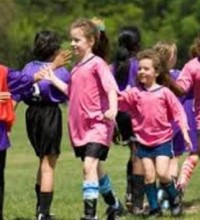
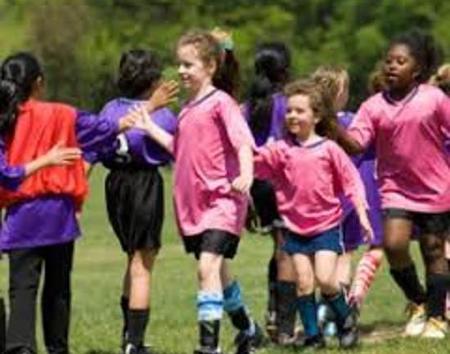 Our pace of life does that sometimes we spend too much time sitting or lying in front of a screen and we lose the benefits of physical activity. Also children are affected by this way of life, so many hours in front of the TV or at school, but fortunately in the school: the places where physical activity performed.
Practiced the sport and those games at school should be extended to other times of the day, not just on weekends which is when parents can usually spend more time with them, but every day, alone, with us, with other children.
Sport or physical activity is to be practiced as a game, individually or in groups, interacting with peers and in a customary manner. If we are children moving while having fun reach them numerous benefits.
Benefits of physical activity for children
The benefits of getting exercise are both physical and emotional, are known and have been supported by numerous studies throughout history. Include ten benefits of physical activity in children who remind us that our children should play sports.
The child interacts with peers, other children or adults, understanding the game and experiencing. More collaborative and less individual blocks, recognizing and respecting their peers.
The child learns (sometimes slowly ) to overcome shyness, and expand their social relationships and mechanisms of security and confidence.
In the sports group the child learns to take on responsibilities and cooperate.
Physical activity can curb excessive impulses of children who can not yet control the nerves or excess energy.
Produce an improvement and increased motor possibilities of the child, coordinated movements, strength…
Physical activity contributes to adequate maturation of muscular and skeletal system. Strong bones and muscles are the basis for proper growth.
Power creating healthy habits, from the very practice of exercise to healthy food or proper body hygiene issues that parents must make an example and teachings.
Along with a balanced diet, exercise contributes to the regulation of body weight, preventing obesity, a major childhood ills of our time.
Exercise also improves cardiovascular functions. Therefore helps to prevent certain degenerative diseases such as arteriosclerosis, closely related to cardiovascular disease.
And, perhaps most important for the child himself, who will encourage you to continue exercising, the child is fun to consider physical activity or sport as a game in the competition and the demands are at a level lower than enjoyment.
Since babies are foster parents can (obviously limited and with our help at first) physical activity, and as our children grow can encourage and support them in their first physical activities, from crawling to learn to jump, then moving to expand playing field with us and other children.
Finally they will be ready for group play without adult intervention, but this only comes if we were following the previous steps. And in any case, play with them, they are old they are, it is always a positive experience for everyone and a delicious, fun and healthy way to spend time with family.
Us with my two and a half years are encouraging to undertake the exercise - game with other children in the park, something she seems to enjoy each day more. Although we also tried to run, jump or roll a little every day with her, and do a visit to the pool. Good weather favors the practice of outdoor exercise, and secure the whole family thanks you.
Worth it because, as we see, the benefits of physical activity in children are varied and essential for good not only physical but also psychological, helping to strengthen the child’s personality and important values for life in society.
Physical activity in children and adolescents
Posted on January 13, 2014 by john in Daily health tips for kids
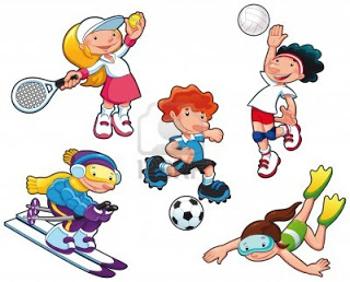 Physical activity in childhood and adolescence is essential for development, and also for the prevention of obesity.
Is physical exercise is necessary in children and adolescents ?
This is necessary, exercise the child will contribute to the process of development and maturation of their genetic potential. Sporting activity understood as a game or playful activity that involves movement, significantly improves cardiovascular function and contributes to proper maturation of the musculoskeletal system and their psychomotor skills.
Continued physical exercise together with a balanced diet will contribute to the regulation of body weight, preventing the onset of obesity, both in childhood and in adult life ( 80% of obese adults were obese children ). It will also help in the prevention of degenerative diseases such as arteriosclerosis, closely related to cardiovascular disease.
In the child regular training produces benefits in motor and cognitive skills, and is also beneficial to your personal relationships and social group around you, learning to integrate and obtain physical and psychological wellbeing. All profits obtained from an active life are especially significant from puberty.
A high quality Physical Education :
It is the most effective and inclusive means of providing all children the skills, thinking patterns, values, knowledge and understanding necessary to practice physical and sport throughout his life activities.
Contribute to a comprehensive and complete physical and mental development.
It is the only school subject that seeks the body, activity, physical development and health.
Help children become familiar with the bodily activities and allows them to develop the necessary for your health concern, which is essential for a healthy life in adulthood, while understand the importance of doing exercise physical is to prevent the development of some diseases.
Help children to respect their bodies and those of others.
It helps strengthen children ‘s self-esteem and respect for themselves.
Develops in children ‘s social consciousness to prepare in competitive situations to deal with wins and losses, as well as collaboration and esprit de corps.
Provides skills and knowledge that can be used later in working life in the field of sports, physical activities, and recovery time are increasingly booming.
At the World Summit on Physical Education ( Berlin, November 1999 ), delegates from different countries presented the results of research conducted worldwide on the benefits of physical education and the important role it plays in the development of healthy children and active. Advantages of Physical Education and Sport :
Increase self-esteem and reduces the tendency to develop dangerous behaviors.
Reduce negative attitudes toward school and out of it.
Physical education is an important subject that also serves as preparation for working life.
Improves health, prevent injuries and damage resulting from poor posture.
Improving school performance.
Provides experiences in structured activities with clear objectives and outcomes.
Helps develop abstract thinking through notions such as speed, distance, depth, strength, force pulse, fair play.
Promotes concentration and participatory attitude.
(M. Talbot, World Summit on Physical Education, 1999)
The body part of Physical Education emphasizes :
Formation of motor skills and the ability to exercise these skills under the direction and supervision of the teacher.
Development and improvement of agility and physical wellbeing.
All children and adolescents, regardless of their abilities and their geographical and cultural origin or material circumstances :
They must develop and grow physically.
It has a natural inclination to physical activity.
They must live their childhood as such, before entering adulthood.
They learn more easily through physical activities.
React very positively to the activities that provide fun and who demand a certain performance.
On the occasion of the World Summit on Physical Education A call was made to fulfill the following:
Imposing Physical Education as a fundamental right of all children.
Recognize that the subject of Physical Education depends on the qualifications of teachers and the number of scheduled time within the curriculum. Both are perfectly possible even when other resources, such as facilities, are scarce.
Investing in training and retraining plans physical education teacher.
Support research to improve the level of impact and quality of physical education classes.
Collaborate with international financial institutions to ensure that physical education classes remain defining integrated way in teaching.
Recognizing the crucial role of physical education in the development and maintenance of health, as well as the overall development of the people, and its important role in building confidence and cohesion within society.
Recognize that the expense of physical education classes due to higher costs related to health investment costs necessary to maintain the physical education within the curriculum.
All children should acquire basic knowledge on how to lead a healthy and safe life. Since learning is a process that lasts for life, good health and regular physical activity can help prevent health problems and improve the quality of life of schoolchildren.
The importance of physical activity in children
Posted on January 13, 2014 by john in Daily health tips for kids
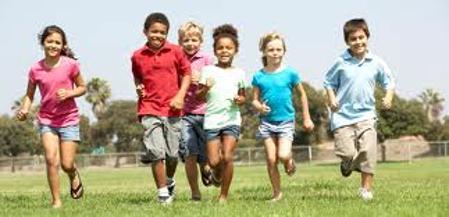 The regular practice of children physical activity only generates profits, which in recent times has become less important, due to the high prevalence of child inactivity. This is because it changed the way you play, replacing the movement much more static, as the use of video game consoles or hobbies.
It is proved that there is a direct relationship between hours of television and computer and childhood overweight. For example, a child who spends more than four hours of screen time has a strong relationship with overweight and the consequences associated with deteriorating health.
For a sedentary child the risks of diseases are higher because they risk :
Being overweight and obesity
Considerable increase in cholesterol and triglycerides
Increased glucose generating predisposition to diabetes
hypertension
Low aerobic capacity
Low muscle strength and endurance
Lack of coordination and agility
Major diseases truancy
With all these consequences it is advisable to encourage physical activity in children, for their future health care.
For a parent can motivate a child to have physical activity is essential that this is a good model, participating with him or making him play to exercise, especially if the child is younger. Of course you should avoid pressuring the child to do sport because it will just cause you do not like the long and never practice.
Physical activities for children ebook
Posted on January 11, 2014 by john in Daily health tips for kids
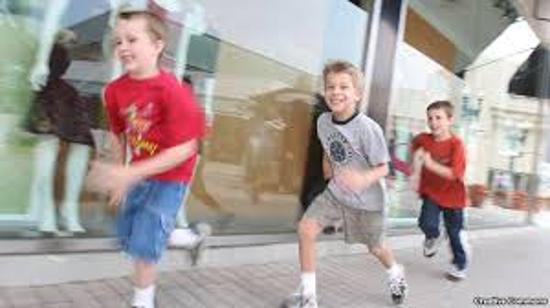 The Physical Activity Guidelines for Children and Adolescents, benefits of physical activity for children, physical activity guidelines for children, importance of physical activity for children, physical activity recommendations for children, children and physical activity.
subscribe article
