Benefits of fruits
Posted on September 3, 2013 by john in Benefits of fruit
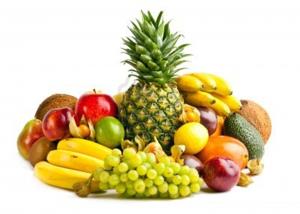 The importance of fruits in the human diet has been valued since ancient times. The ancients called the fruit as ” the food of the gods” and gave him magic or divine properties . There are many references as the temples were full of fruits dedicated to their gods and as the fruit appeared in ritual ceremonies as part of the decoration of the temples , objects of worship or dresses.
Fruits are one of the most important foods in natural plant foods . Fruits along with vegetables provide many vitamins and minerals , so are foods that should be present in every meal. We can be sure that eating fruits and vegetables, never have lack of vitamins or minerals.
Fruits and vitamins
Water-soluble vitamins ( B and C ) are not stored in the body , therefore we need to eat foods containing usually like fruits . Vitamin C , for example , in addition to being a powerful antioxidant , contributes to good bone health , helps heal wounds in addition to reinforce the action of vitamin E, another powerful antioxidant . Eating regularly citrus fruits (oranges , grapefruits , lemons , etc. . ) , Berries and peppers , among others, is a good way to get this vitamin .
Fruits and minerals
The acquisition of minerals is essential for good health . Iron, for example, is necessary for the development of hemoglobin which is the substance that in addition to color red blood cells , is responsible for carrying oxygen to the cells. Hemoglobin deficiency is one of the factors that causes a disease called anemia. Although there are animal foods such as meat and fish that provide iron , so we can get from vegetables. Lentils , for example, are a good source of this mineral .
Fruits provide fiber, that portion of the vegetables that our digestive system can not digest, but it is so important to expel the stool. But high fiber intake not only represents only a useful way to prevent constipation. Recent studies have shown that a diet high in fiber reduces cholesterol, helps diabetics control blood sugar and prevents colon cancer . They are rich in fiber fruits : pears , strawberries , apples , citrus fruits , blueberries , grapes - mostly in the form of raisins.
In addition to providing vitamins and minerals to the body , fruits help to achieve acid-base balance of the body , neutralizing the excess acidity . For its content in potassium and magnesium help eliminate excess fluids and waste nitrogen and chlorides so that purify the body. For its water content - between 80 and 90 % of their weight - are an ideal way to hydrate your body while you bring enough energy in the form of simple carbohydrates (fructose , sucrose and glucose) very comparable by the body .
The vitamins , minerals and carbohydrates fiber , add other components called phytochemicals , that make fruits a source of health. The apple , for instance contains pectin, whose value to treat diarrhea and other gastrointestinal diseases has been known since antiquity. Grapes contain resveratrol , a dye , which improves circulation and prevents heart attacks .
Pineapples contain bromelain, an enzyme that helps digestion . Cherries are particularly suitable to prevent arteriosclerosis and rheumatic diseases , even the tail of cherry can be used to make tea for weight loss. Watermelons are one of the best medicines to cleanse the kidneys . The properties of these foods are numerous and name them all in this article would be virtually impossible . A tour through the sections of natural foods and medicinal plants of the Botanical Web taught us many things about them .
Fruit components
Minerals
Vitamins
Flavonoids
fiber
Saponins
Phenols
Carotenoids
isocyanates
All these components , not only help the body to be nourished, but prevent the onset of many diseases , as has been demonstrated in studies conducted in recent years.
Fruits and disease prevention
Among the major diseases that a diet rich in fruits and vegetables can prevent can include the following :
Obesity: The fruits generally have very few calories and lots of fiber. This allows the body to more easily sate without having to ingest other caloric foods . The usual intake of fruit is a good way to prevent obesity.
Constipation: The fruit , because of its richness in fiber, facilitates the expulsion of feces from the intestine and prevents constipation or other intestinal diseases such as diverticulosis , the latter more common in older people.
Heart Attacks : Fruits and vegetables prevent the formation of clots in the arteries and thin the blood . It has been proved that regular intake of these foods reduces from 20 to 40 % chance of suffering a vascular problem .
Hypertension: Regular consumption of fruit and vegetables , combined with a diet low in fat, lowers blood pressure .
Cancer : Recent studies have shown that the fruit is rich in antioxidant compounds able to eliminate free radicals, particles which are responsible for the development of many degenerative diseases , including cancer is located .
Posts related to Benefits of fruits










Secure with early repayment of hospital charges

Subscriptions article